DEVIKA BRENDON

Devika Brendon is a Consultant Editor at FemAsia. She is an Educator, Reviewer, Journalist, and Writer. Devika was awarded First Class Honours in English Literature at the University of Sydney, and holds a PhD in English Literature from Monash University. She is a Teacher of English Language and Literature, and a literary mentor to emerging writers of all ages. Devika’s poetry and short stories have been published in journals and anthologies in Sri Lanka, Australia, India and Italy. Her critical reviews and opinion pieces have been published in both print and digital media, and can be viewed on her blog.
Power Of Digital Sisterhood

In the last 6 to 12 months, several all-women’s groups have been created on digital media platforms. In the U.S., Jada Pinkett Smith’s ‘Red Table Talk’ brings together three generations of women – Jada herself, her mother and her daughter – to host and discuss issues of the day, from a woman’s point of view. The vibrant intergenerational perspectives and the respect between the women make a lively dynamic.
In the U.K., a Facebook Group called ‘Sisters On The Rise – Life Changers’ was started by Dionne Williams. Its purpose is to assist its members to shed themselves of the residue of attachment to toxic relationships. Dionne shares very relatable and dynamic, short videos with the members, and does Facebook live chats to convey tips and encouragement on facing daily challenges and creating a positive mindset.
In Sri Lanka, a group started by Shey Perera called ‘Women Together’ now has over 7,000 members. This is not just a gossiping group of girls giggling about boyfriends. It is a collective. It has a political agency. It can shift cultural viewpoints.
It is fascinating to see the instruments of the technological era being used to enlighten and inform, to bridge divides rather than foster aggression and show off ego outbursts in a rampant territorial display. Facebook in the past few years has become notorious for the way conversations and chats devolve into rants and arguments, with insults being thrown like serrated grenades at hostile participants.
Hate speech and oneupmanship tactics were clear for all to see, and misogynistic and sexist comments were deployed to incite a reaction. Often those hosting these chats on their public platforms used the sensationalism caused by the disputes to grow their own audience: a lazy and socially irresponsible way of creating content. And people started to not participate, because it was not something they wanted to be part of, even as a passive spectator.
As in other aspects of cultural life, the male way of operating in the digital world (competitive, performative, aggressive) was taken as the standard and the norm.
But what if the powerful instrument of digital media was utilised in alignment with a higher intention? These online platforms are powerful: free to individuals to access from a computer or personal tablet or phone, and interactive in every sense. Women participating may not have many opportunities to check in with other women in their own families or communities, and this kind of group offers 24-hour, positive, focused and specific support.
Women who start these groups and stay on as admins moderating discussions which take place on them have clear perspectives and goals in mind, and these encompass a bigger vision than that of self-promotion. They seek to encourage and empower other women: by opening discussion on every level of life, from the body to mind to spirit, through discussions on issues of social and political interest, to personal anecdotes, humour and moving tributes and acknowledgements.
The women participating in these online discussions come from a wide range of backgrounds and experiences, and a diversity of religious faiths and cultural practices.
They are of different ages and at different life stages. Their chats are not trivial or lightweight. They ask each other for assistance, for opinion and for encouragement. And they reciprocally offer it to each other.
Recently in Sri Lanka, a very successful online campaign has begun to draw attention to what used to be called ‘Eve-teasing’ (sexual harassment of girls and women in public spaces including public transport). Women are using their smartphones to take photographs of the men who grope or threaten them, or other women, and share them widely on social media. This has resulted in formal police charges being made against the drivers of certain three-wheeler vehicles. The faces of these men have been shown widely on Facebook, a platform used by most Sri Lankan people who have computer access. The violation of women’s dignity, formerly private anguish, and an isolating torment for those harassed, is now out in the open – and the victims are not being blamed.
Social media used with responsible awareness creates political agency, and increases moral accountability and awareness. Women are positively using social media instruments such as Facebook, Twitter and WhatsApp to collaborate, support and affirm each other.
Digital feminism replaces the reactivity of ego-based online conduct with the possibility of genuine interactivity.
Long may it grow.
Superimposition: Visages And Mirages Of Egypt
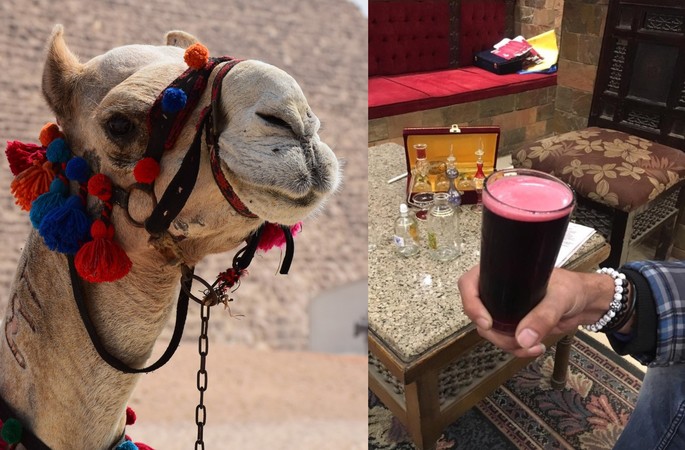
My friend Lisa de St Croix, a visionary artist, created a beautiful image of the Star card for the Tarot de St Croix which shows the goddess Nut, a benevolent mother figure stretched over Egypt, streaming blessed rainwater on the dry land beneath.
This image is in my mind as I open my eyes in my hotel room on the banks of the Nile, a river with a colour named after it: the colour of the bags that beautiful jewels from Tiffany & Co. arrive wrapped in, and those sumptuous delicacies in woven willow hampers from Fortnum & Masons.
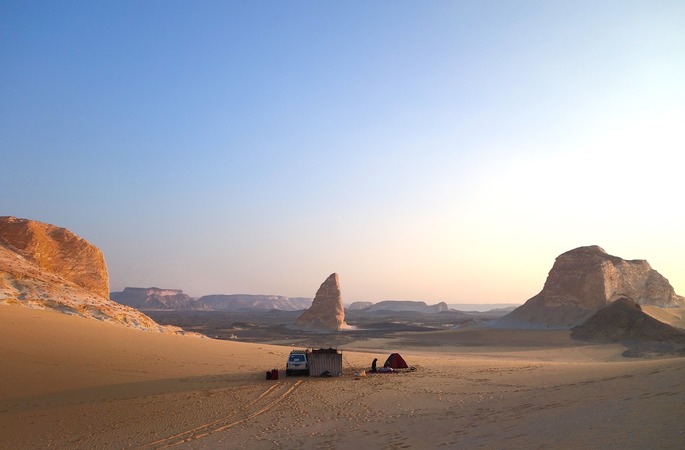
That first morning, I had breakfast out on the small balcony: wheat porridge with honey, and the blackest of coffee. The buildings of Cairo spiked up all around me like needles, like obelisks. But I barely saw them, with my imagination full of the pyramids of ancient times.
The guide and driver had seen these sights a thousand and one times before, so they chatted while I gazed out of the window, watching the landscape gliding past. Suddenly, out of a haze of morning mist and desert dust and my own residual dreams, the familiar shapes rose like stone icebergs in a sea of chalk, limestone and sand.
Close up, the carved blocks of stone which made the Great Pyramid were as smooth as glass. Entering the doorway, I became aware of the tenuousness and fragility of the electricity which kept the string of lights operating in the intermittent alcoves.
The stairs gave way to narrow tunnels, and stepladders. We ascended in a sort of game of steps and ladders, into the labyrinth. Shards of Egypt-related stories superimposed themselves onto my present-day sights, and transformed them into visions. Honey-gold stone and clean sand and soaring clear skies one day, and glum and moody the next.
Outside, it was obvious that the queens’ pyramids were noticeably smaller.
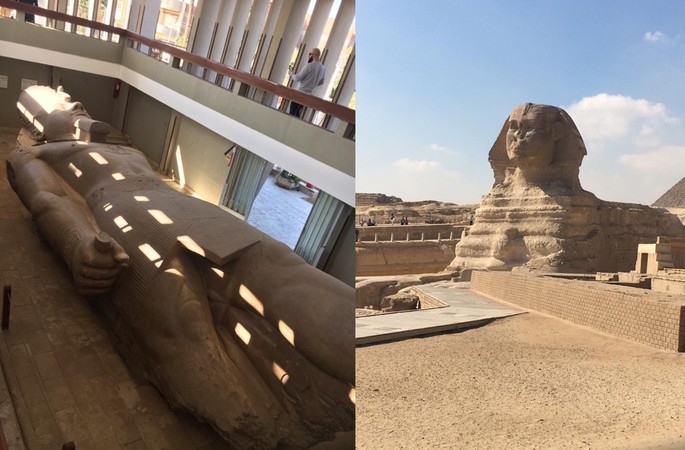
Behind the pyramids, the Sphinx lay in wait, with no fences around her ancientness: you could access all areas for a selfie with her.
King Ramses was lying down when I visited him. His legs had been eroded by the water in which his statue had been discovered. He was built: his torso and arms were those of a man with 400 wives; and the Great Seal Of Authority adorned his muscled, all-powerful hand.
I loved the desert, because it makes every drop of liquid feel precious, even tears and sweat. I have an image of the sun imprinted on my shoulder. And the image of the sun impacted on my mind, and the solemn, solid statues holding a vigil in that stencilled land.
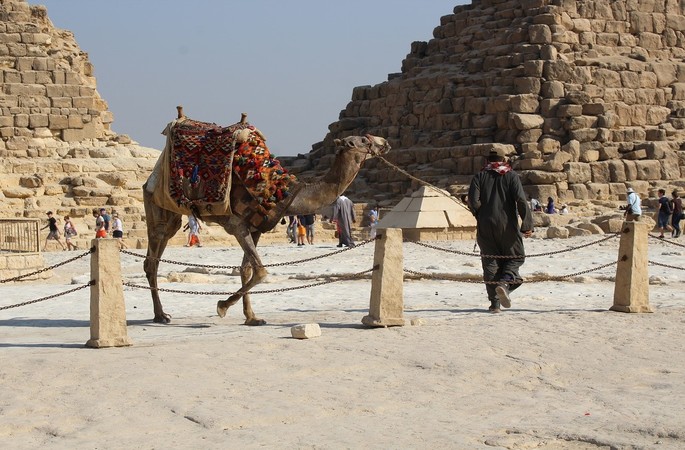
The camel ride was enlivened by the camel driver, who lent me his rakish checked headgear, and showed me how he could take photographs which made it look as if I was balancing the pyramids in my hand, or riding across a vast panorama in a silken garment worthy of an intrepid explorer.
There was a visit to a papyrus maker, where I purchased a black and blue picture of the cat goddess Bast for a friend whose pet had recently passed away, to help him reconcile himself to his loss. The papyrus men rolled it into a beautiful scroll, but he asked me to take a picture of it, so I undid the cylinder and weighed it down to flatten it, with the stout salt and pepper pots from the room service tray in my hotel.
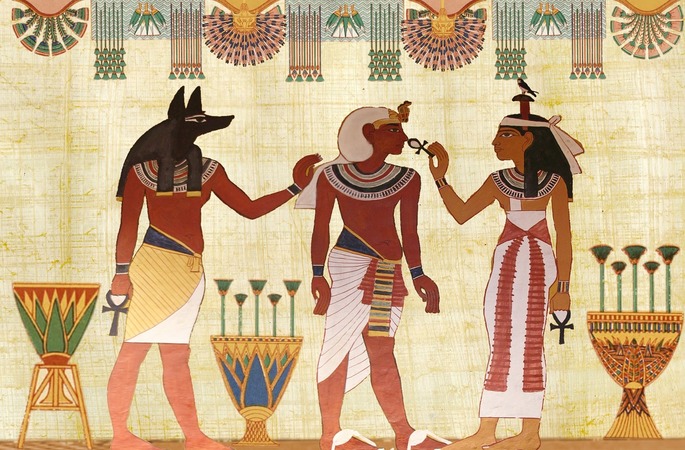
Outside, the city of Cairo was variegated and segregated: friends who live there told me that the poor are being relegated to another realm. The rich have created a fully alternative parallel universe, in which they move, designer scarves flowing, their every action documented on Instagram. They are going to build a whole separate city soon, so the sights and sounds and smells of the poor don’t offend them.
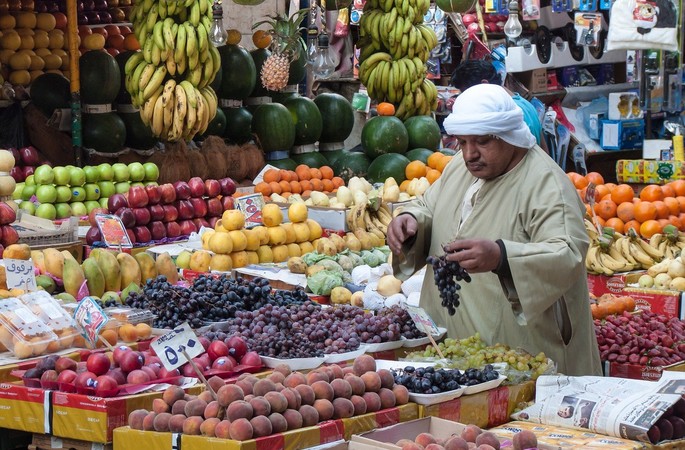
I noticed in passing that there are numerous spectacle and eyewear shops in Cairo: I saw at least 5 within 150 meters. Is it the haze, that makes Egyptians careful of their vision? Is it the residue of the legends, like mirages that prove real? Or the pollution that affects all cities, these days?
I got back to Sri Lanka to find that my own eyes had been affected. Too much sun, too much sand? All the lush hues of green hit me like a ton of limes. My fresh lime juice makes me green with wistfulness, for my brief blue and gold days by the Nile.
Challenging The Lure Of Easeful Death
Suicide Awareness
The high prevalence of suicide and attempted suicide in Sri Lanka.
There is an epidemic of suicide around the world, and the age group identified as most at risk is the 15-29 demographic. In Sri Lanka, one person in 40 seeks suicide as a solution to their life challenges each year. This translates to 8 to 10 people a day. Globally, this number rises to 800,000 people a year. This does not include the attempts that go unreported. The leading cause of death is traffic accidents, but suicide is a close second. There has been a marked drop in fatalities, despite an increase in attempts, due to successful intervention and better access to health care and transport to medical facilities.
This article explores the high prevalence of suicide and attempted suicide in Sri Lanka.
Causal factors
In Sri Lanka, people who don’t want to live their current lives are often accused of seeking attention, for even expressing their suicidal thoughts. Psychologists and other counsellors have identified certain risk factors that operate in people’s lives which are each individually significant, but are potentially deadly in combination. These include relationship risk factors, including divorce, abuse (physical and emotional), chronic illness, sudden death, breaches of duty of care, and relationship breakup. Bullying, shaming, being targeted and trolled online are all increasingly normalised features of contemporary life which can cause discomfort to turn into despair.
Genetic factors, environmental, education, financial status, disability, desensitised and competitive culture, the idea that any vulnerability will be used against you, being made to feel like a burden: this generation faces new challenges, due to technology and social media, entering a world in which they are relatively inexperienced, and feel unsupported.
Community values which contribute
Community risk factors include the ongoing traumatic consequences of war, relocation, the high occurrence of natural disasters, debt, the endemic lack of insurance, workplace expectations, gender-based harassment and violence, the erasure of diversity in sexual orientation and gender identification, the stresses of unemployment or employment that does not match the person’s goals or skill sets and offer no pathway to professional development.
The feelings involved
In the interactive discussion, participants commented that they also felt socially and personally restricted in their individual choice and expression; specifically referring to the high degree of conformity required of them from a young age, which made them feel forced to comply with social stereotypes that they felt were outdated. Restriction of expression and distrust of emotional vulnerability and mockery of sincerity, openness and enthusiasm all contribute to people suppressing natural feelings in everyday life.
Health system risk factors: The sense of safety and support in the community is often compromised by direct experiences with health care workers, who work in understaffed environments, under a great deal of pressure. Sufferers experience being ignored, belittled, and even berated by hospital staff, who scolds them before offering any assistance or treatment.
‘You could have died and saved us the trouble of trying to look after you’.
This is a direct quote which was witnessed by a clinical psychologist who was in attendance.
The psychologist also commented on the lack of respect shown by healthcare workers, particularly to those in this situation.
The psychologist also commented on the lack of respect shown by healthcare workers, particularly to those in this situation.
The Danger Signs
The deficit in the support and caring attention currently on offer can be remedied by greater awareness on the part of the greater community. This would require a greater deal of awareness on the part of the general community of the danger signs and vulnerabilities shown by the people we interact with in our daily lives, both professionally and personally.
The inadequacy regarding adequate availability of specialised support enables people in the ordinary community to act as mediators between a suffering individual and the help that they need. Many people feel disqualified from intervening or offering help because they are not professionally trained. However, if they are observant and are willing to alleviate the suffering of others, they can learn certain techniques of listening which can materially assist friends and colleagues who may be in need of intervention and finding it can be difficult to articulate their needs (due to fear of exposure or shaming). Religious judgment is also a strong cultural shaming mechanism, used insensitively.
A Cry For Help
The suicidal condition is portrayed with insensitivity, shallowness and a tendency to sensationalise: as a sign of weakness and frailty in the media and (frequently) in popular culture. There is a conversation protocol that can be adapted for use in situations where people you know are displaying signs of distress or emotional disconnect. This involves prompts and cues which act as a gentle, but forceful, guidance and indication to the sufferer, and open up a pathway which will enable them to explore their options. This directly challenges the state of helplessness in which they feel they have no choices.
What an untrained person can do to recognise and intervene in a situation of distress:
There are simple rules that can guide you to an effective outcome. Listen to them:
Be present
Asking will open up space for them to talk
Give them space to get more support and make suggestions themselves. They may be feeling broken and frail, weak and powerless. Focus on their resilience and survivalism.
Do not make assumptions e.g.that they are ‘being manipulative’.
Do not overwhelm them with suggestions
Do not leave them alone or make them feel alone; follow up with specific times where you can be available to assist them/provide companionship/solace.
Do not offer any support you cannot give. Be accountable. Be clear.
Be present
Asking will open up space for them to talk
Give them space to get more support and make suggestions themselves. They may be feeling broken and frail, weak and powerless. Focus on their resilience and survivalism.
Do not make assumptions e.g.that they are ‘being manipulative’.
Do not overwhelm them with suggestions
Do not leave them alone or make them feel alone; follow up with specific times where you can be available to assist them/provide companionship/solace.
Do not offer any support you cannot give. Be accountable. Be clear.
One person in 40 commits suicide, but there are those who are ‘unsuccessful.’ The way suicide is talked about is often misleading. It is seen as an achievement, an option, an action. And sometimes is presented as a positive action. It is important, as an intervenor, to see it as an action which has a negative intention underlying it, which is to annihilate the living self.
Understanding the context in terms of cultural attitudes operating on the sufferer is crucial. Shame/blame/despair going unheard are often the triggers. (NOT a cry for attention).
Understanding the context in terms of cultural attitudes operating on the sufferer is crucial. Shame/blame/despair going unheard are often the triggers. (NOT a cry for attention).
‘Suicide first aid’ is a term used in emergency management.
First responder information – intervenors need not necessarily be qualified but must be aware. Personal biases and cultural sensitivity should be taken into account; withholding of judgment is crucial in positive management of people with suicidal ideation. Awareness of the limitations of media representations of vulnerable people is necessary.
First responder information – intervenors need not necessarily be qualified but must be aware. Personal biases and cultural sensitivity should be taken into account; withholding of judgment is crucial in positive management of people with suicidal ideation. Awareness of the limitations of media representations of vulnerable people is necessary.
Accessing a belief that suicide is NOT ‘inevitable’ is a must.
Suicide is defined as a permanent solution to a temporary problem. Help the sufferer see their problems as not permanent, even if they are chronic problems Try to turn what is seen as a disaster into something that is less intense and overwhelming: something situational, that can be remedied and solved.
There is an underlying condition which makes people more likely to seek suicide as an exit from a life which they perceive to be unbearable.
When this underlying condition is seen, a suicide attempt on the part of a vulnerable person can be seen as an emergence of unseen issues and thus an opportunity to deal with them.
When this underlying condition is seen, a suicide attempt on the part of a vulnerable person can be seen as an emergence of unseen issues and thus an opportunity to deal with them.
The desire for suicide is the symptom of a real problem, and it is difficult to identify what exactly the problem is at first. It manifests as a web in which the vulnerable person is enmeshed.
The primary question for those who wish to help themselves and others is: how to detach the person from the issues surrounding them, and help them deal on a practical level with each at a time, until their context is clarified, and the core issues identified.
The primary question for those who wish to help themselves and others is: how to detach the person from the issues surrounding them, and help them deal on a practical level with each at a time, until their context is clarified, and the core issues identified.
How to help
Look, Listen, Link – techniques to calm and connect with people who are in distress. Asking the following questions will open up a space for talking:
Can we talk about it?
Would that be okay with you?
How could I support you?
Is there anything we can do together?
What would you like to do?
Have you…
Have you been thinking of other ways of dealing with this or of other possibilities, maybe?
It must be very difficult.
Would talking about it make you feel better?
Call me up anytime and I will get back to you ASAP. These are the best times to contact me.
Can we talk about it?
Would that be okay with you?
How could I support you?
Is there anything we can do together?
What would you like to do?
Have you…
Have you been thinking of other ways of dealing with this or of other possibilities, maybe?
It must be very difficult.
Would talking about it make you feel better?
Call me up anytime and I will get back to you ASAP. These are the best times to contact me.
Do NOT promise anything you can’t follow through on, because this inconsistency erodes the trust of a person in distress.
The difference between suicidal thoughts and suicidal action is the difference between a sigh that life is difficult and a scream of annihilation.
I gave up full-time journalism work in Colombo to become a freelancer travelling the North and East of the country in 2013. I did that because most of us living in Colombo, including myself then, were living in a bubble far removed from the realities of the war-affected people in rural areas. And we had no business writing about them – if we wrote about them at all – in that context.
No mainstream media in Colombo at the time was willing to support me as a full-time correspondent based in the North-East. They offered piecemeal rates as a freelancer instead, which wouldn’t even cover the costs I incurred of travelling to get the story – such as the case of media and underpaid journalists who strike out on their own.
So I got a job with an INGO called ZOA that worked with war-affected people in the North and East. Through them, my food and accommodation, travel through these areas and access to people and stories were ensured.
The only problem was, I was coming in contact with literally hundreds of stories and no time to write them out in the journalistic long form of investigative feature writing I was used to, on top of my full-time job as a reporting officer at Zoa, where I had to compile internal reports.
I was feeling sick with guilt over my pile of notebooks of untold stories that people had entrusted me with.
They were so thrilled that someone was finally asking them what had happened to them instead of just hijacking their voices. They couldn’t recognize themselves as being represented in the mainstream media – and went all out to tell me their stories when I said I was a journalist.
I was feeling overwhelmed with the pressure of it all, and suffering from fever. To keep down the stress, I was scrolling through one of my favourite pages Humans of New York when an epiphany struck. Why not start a page like that? There was already a trend of various pages modelled on Humans of New York, from various geographical locations – including two from Sri Lanka.
Since I was then based mainly in the North, travelling through its various regions, I decided to start a page called Humans of Northern Sri Lanka – that was in late 2014.
Yes, it is my specific intention. Far too often many of us – including journalists, policymakers, activists, diaspora stakeholders – are guilty of assuming the voices for these people, instead of letting them speak for themselves. The people here are very much aware of the problem and very angry about it.
As some Muslim and Tamil women put it to me at a women’s forum meeting in Mannar some years ago: “We know all about Colombo, its people, their views and problems. That’s because the mainstream media writes about Colombo and its people’s views regularly. We also travel regularly to Colombo, so we know what the situation is like there.
The reverse is not true. The people of Colombo have no idea of our life circumstances, views and issues. If they come this way at all, they stay in town hotels or Pansala accommodation away from the common people. They do not mix with us nor life circumstance sees us represented adequately in the mainstream media. Yet people who make decisions on our behalf are mainly drawn from Colombo.
It is very logical and absolutely right when you think about it. So in my own small way, I try to make their voices and views heard as much as possible.
This is also true of women, en masse. How much of newspaper content is actually geared towards representing women adequately, and to having pages they would enjoy reading? And I don’t mean fashion, beauty and cookery pages which is an outdated notion set by male editors that that is all that women want to read about.
And if we ourselves as women are represented in the front pages of papers and magazines at all, it is more often than not, half nude and pouting. We are far more than that.
When I got to the North, I was horrified by the weight of the burdens women were struggling under, that just wasn’t making it to the mainstream press – and if it did it was always sensationalized.” XX village now a village of Prostitutes,” blazed one Tamil headline. It was 2013, and widowed women had to resort to prostitution to feed the children and elderly left in their care, in the absence of viable economic alternatives. Their pain, their courage, the lack of options left to them, obviously did not get carried in that article.
Widow shaming, poverty shaming, exploitation, degradation, economic embargoes on traditional occupations such as fishing and farming… blatantly less pay for equal work, these are all issues women continue to face in these regions. Yet how much of their daily realities make it out there into the press?
We now have a euphemistic name in Sri Lanka in development circles for widowed families – ‘women-headed households.’ Term them what you like, but they are still called ‘widows’ and still shamed in obscene ways in these regions, as harbingers of doom and inauspiciousness. Yet when I try to write/talk about them, many people in the city / urban areas challenge these stories as untrue. Such habits might have died out in urban areas, but are still alive and kicking in rural areas – and this needs to be written about, talked about and actively addressed.
I first realised the diaspora were on another planet altogether when it came to understanding the issues and realities back home, on a visit to the USA. They were getting their information from certain sites that made it seem as if the Tamils were being murdered, raped, pillaged and plundered in Sri Lanka all the time.
Not to say it didn’t happen at certain points in our history – but no, that is not all that ever happens to us.
Also, the fact our so-called ‘saviours’ who hijacked for themselves the ‘sole voice and representatives of the Tamils’ role, were also themselves the cause of several cases of abuse to the Tamils back home, don’t make it out in such outlets – mainly because the LTTE rump is still running such media.
Of course, there are other informational sites and dedicated journalists trying to counteract bias with a more wholesome picture like D.B.S Jeyaraj – but the vocal sections of the diaspora (who as it happens are a minority) were insistent on reading only the biased sites.
What I realised on that trip was that the voice of the affected people in the North and East were not making it out there. Others were just mouthing narratives in their names, which they never said, or stood for.
This USA trip, as part of a Visitor Leadership Program sponsored by the US Government, was in 2012.
In 2013, I moved to settle in the North, and have been reporting directly from there.
Since then, I have been to the UK, Malaysia, Singapore, and most recently Canada on varied journalism grants – in all of which countries I have met and interacted with Tamil / Sinhala diaspora members.
I found that as here, there too, many of the diaspora members are actually quite moderate and reasonable in their views. As I noted before, it is just the vocal minority who have hijacked the stage, and the microphone, a space from where they keep claiming to speak on our collective behalf – a mandate no one gave them.
– Social media reaches out to the masses fast. That’s one advantage.
– It doesn’t take much of my time to engage in.
– The stories don’t go through several filters of various editors before I hit the publish button – I have full control of my content instead of waking up to see a heavily re-edited version of what I had meant to convey under my byline the next day, as has happened all too often in the mainstream media.
Additionally, people respond better to pictures and stories on social media – they have little time for newspapers now, but many, especially the younger generation are on Facebook, Instagram, Twitter etc. I don’t have the time to work on all these platforms, but Facebook alone is good enough for me to get the word out.
And many people have messaged to tell me that I have opened their eyes to the issues, lives and realities of the people in Northern Sri Lanka.
And in that way, instead of succumbing to demonising and ‘othering’ narratives, they have access to the human stories directly from those humans themselves.
It is very interesting to observe how Thulasi, who is often viewed as an ‘outspoken feminist’ in a conservative culture and community, thinks about how a woman protects herself and her family, as a public figure. She says that most of the blows, fortunately, are verbal and emotional, not physical. Thus she has just developed a crocodile skin to put up with it.
There is a limit to how much we can subsume ourselves to please others. Conservative cultures that are offended by women being free spirits is not a new thing.FemAsiawishes Thulasi all the very best in her endeavours.
Incomparable
A girl I know fell in love with the first boy she kissed. She told me all about it, in a darkened bar a few days ago.
She was innocent, and ignited; ravenous and heartbroken.
She was innocent, and ignited; ravenous and heartbroken.
She said she had asked him for that ‘friends with benefits’ mode of relating. And of course, she felt more. Because you cannot limit how you feel, once that subtle key is turned, and the strength and power of female sexuality are unlocked, in response to the energy of the other.
After the first encounter, he broke it off. Because she wanted more than he had offered, and what they had agreed to.
She had had no negotiating position, from the start. She did not give herself the right to have one.
After the first encounter, he broke it off. Because she wanted more than he had offered, and what they had agreed to.
She had had no negotiating position, from the start. She did not give herself the right to have one.
What is interesting to me is that she now has the opportunity to explore that feeling, in herself. All the gorgeousness of it. Detached, in a way, from the object of it. The man with the closed heart, who is only unavailable to her, but who can apparently be fully himself with other people. It’s like investing in a risky bet on the stock exchange. High profits, great losses. Watching it rise and
fall, every day. Is he opening up a little more? Can she see it, at last? Is it for real?
fall, every day. Is he opening up a little more? Can she see it, at last? Is it for real?
And there is a specific intensity in loving a person who does not feel the same way, or does not feel anything for you. All your messages get returned to sender. Your yearning is not returned: not shared, but mirrored. Your desire is reflected back by the flat silver surface of his self-declared non-responsiveness.
The great gift here is the knowledge of self that you can gain. How much you yourself want to give. How fiercely you can feel. How alive, how electric, your life is when that hidden, hooded energy sparks up at last, and you decide to open the gears and let it flow.
Lovers like that are like crash test dummies, on which we can practise, I want to say to her. They feel nothing, so you can safely use them to simulate the real thing, and find out what you want, and how to behave in that specific, universalized dance of longing and lust which is the game of love.
Lovers like that are like crash test dummies, on which we can practise, I want to say to her. They feel nothing, so you can safely use them to simulate the real thing, and find out what you want, and how to behave in that specific, universalized dance of longing and lust which is the game of love.
But take that knowledge, when the good starts to become outweighed, and leave this empty space. Don’t fill the manifest gap between you with your own desire. Don’t let it spiral you. Or if you do, line the walls of your bedroom with sound-proofed lining. Make your bed with the softest sheets before you lie down in it. And appreciate your own tears, and listen to your own screams at the terror of abandonment, and comfort yourself in the darkness of the absence of what you think could most console you.
His arms — not so much better than anyone else’s, in fact. Less strong, less muscled, less generously offered. But she had hoped his heart would open to her, once he saw how much she really cared for him, and understood him. And she asked him to hug her. She had to ask.
And now the passion in the sexts she will keep on her phone for a while will slowly evaporate, like smoke, like dust in the clearing air.
What makes a lover incomparable? Can we be objective enough to love them for their intrinsic qualities, even if we are not positioned by them as special? Are we strong enough not to define our worth by the level of their appreciation of us?
The remedy is love, but not of the romantic kind, with its unique specificity and its implicit, etheric monogamy. Love for life itself, and the energy within us which inspires us to react, respond, and wish to connect. To get involved, in the intricate webbing which connects us human beings to each other.
But I cannot say this to the girl. She is channelling her experience of the divine through her one-week
relationship with him. With its sexting and its tentative, bittersweet taste of unfulfillment. The lure of the pain and anguish to come. The intoxicating tilt. The imbalance, the fracture at the core.
What makes a lover incomparable? Can we be objective enough to love them for their intrinsic qualities, even if we are not positioned by them as special? Are we strong enough not to define our worth by the level of their appreciation of us?
The remedy is love, but not of the romantic kind, with its unique specificity and its implicit, etheric monogamy. Love for life itself, and the energy within us which inspires us to react, respond, and wish to connect. To get involved, in the intricate webbing which connects us human beings to each other.
But I cannot say this to the girl. She is channelling her experience of the divine through her one-week
relationship with him. With its sexting and its tentative, bittersweet taste of unfulfillment. The lure of the pain and anguish to come. The intoxicating tilt. The imbalance, the fracture at the core.
I advise her to say to such a lover:
The next move is yours.
But I am not going to move. I am going to stay here, and feel it all.
My feelings are mine to feel. They are part of the person I am, this body and this heart and mind and spirit.
She opened up in a fraction of the space she found she could inhabit. And that fraction was what she allowed herself.
But there is a bigger world than the world prescribed by that connection. She just needs to step out of the boundaries she had agreed to. That limited space. That demarcated safety zone. Above the waist, and so on.
And proceed.
The next move is yours.
But I am not going to move. I am going to stay here, and feel it all.
My feelings are mine to feel. They are part of the person I am, this body and this heart and mind and spirit.
She opened up in a fraction of the space she found she could inhabit. And that fraction was what she allowed herself.
But there is a bigger world than the world prescribed by that connection. She just needs to step out of the boundaries she had agreed to. That limited space. That demarcated safety zone. Above the waist, and so on.
And proceed.
The next level needs to be gone to in herself.
Come hither, then, and see her in the bliss she deserves to feel.
All the real feelings, with someone real.
Come hither, then, and see her in the bliss she deserves to feel.
All the real feelings, with someone real.
Humans of Northern Sri Lanka – Untold Tales
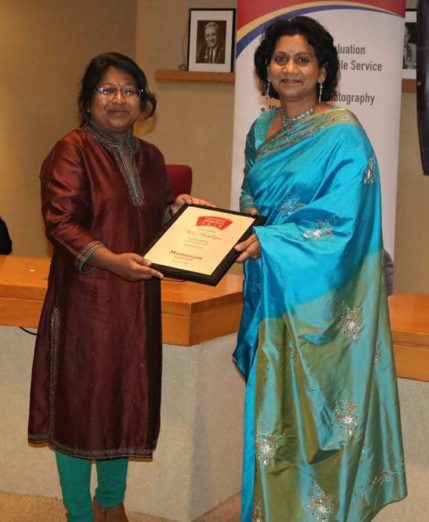
Thulasi Muttulingam is the creator of Humans of Northern Sri Lanka, a group which narrate stories of people and communities in the North of Sri Lanka. She is also a journalist, feature writer and an activist.
The creation of empathy is essential in a society recovering from war and riven by divisions of race, religion, culture and socio-economic differences.
The creation of empathy is essential in a society recovering from war and riven by divisions of race, religion, culture and socio-economic differences.
Any of the Facebook chats and discussions Thulasi initiates have the effect of causing her readers to gain insight into the everyday lives, habits and concerns of people from the Northern regions of Sri Lanka, whom they would not usually interact with, being themselves based in Colombo. Her use of her skills, her experience, her insight and her platform to highlight what is often seen as occurring in the margins of mainstream society is notable.
We at FemAsia are always interested in the narratives of the marginalised and the unrepresented societies. We hope that this interview provides insight into one of the forgotten realms of Sri Lanka.
What prompted you to start the group ‘Humans of Northern Sri Lanka’ and what are the motives behind it?
I gave up full-time journalism work in Colombo to become a freelancer travelling the North and East of the country in 2013. I did that because most of us living in Colombo, including myself then, were living in a bubble far removed from the realities of the war-affected people in rural areas. And we had no business writing about them – if we wrote about them at all – in that context.
No mainstream media in Colombo at the time was willing to support me as a full-time correspondent based in the North-East. They offered piecemeal rates as a freelancer instead, which wouldn’t even cover the costs I incurred of travelling to get the story – such as the case of media and underpaid journalists who strike out on their own.
So I got a job with an INGO called ZOA that worked with war-affected people in the North and East. Through them, my food and accommodation, travel through these areas and access to people and stories were ensured.
The only problem was, I was coming in contact with literally hundreds of stories and no time to write them out in the journalistic long form of investigative feature writing I was used to, on top of my full-time job as a reporting officer at Zoa, where I had to compile internal reports.
I was feeling sick with guilt over my pile of notebooks of untold stories that people had entrusted me with.
So, do you say that Humans of Northern Sri Lanka sprouted from these untold stories?
They were so thrilled that someone was finally asking them what had happened to them instead of just hijacking their voices. They couldn’t recognize themselves as being represented in the mainstream media – and went all out to tell me their stories when I said I was a journalist.
I was feeling overwhelmed with the pressure of it all, and suffering from fever. To keep down the stress, I was scrolling through one of my favourite pages Humans of New York when an epiphany struck. Why not start a page like that? There was already a trend of various pages modelled on Humans of New York, from various geographical locations – including two from Sri Lanka.
Since I was then based mainly in the North, travelling through its various regions, I decided to start a page called Humans of Northern Sri Lanka – that was in late 2014.
The page allowed me to put out the many stories I came across on a snippet basis, instead of the time-consuming investigative long-form journalism I had been used to. And coincided neatly with a population that didn’t have time to read articles but were on facebook all the time. I have far more traction for my stories there than for the serious work I put in as a journalist, which I find somewhat ironic.
Do you expect to raise awareness of the issues affecting Tamils and other minorities, and of women, who are statistically not a minority, but still treated as if they are secondary citizens?
Yes, it is my specific intention. Far too often many of us – including journalists, policymakers, activists, diaspora stakeholders – are guilty of assuming the voices for these people, instead of letting them speak for themselves. The people here are very much aware of the problem and very angry about it.
As some Muslim and Tamil women put it to me at a women’s forum meeting in Mannar some years ago: “We know all about Colombo, its people, their views and problems. That’s because the mainstream media writes about Colombo and its people’s views regularly. We also travel regularly to Colombo, so we know what the situation is like there.
The reverse is not true. The people of Colombo have no idea of our life circumstances, views and issues. If they come this way at all, they stay in town hotels or Pansala accommodation away from the common people. They do not mix with us nor life circumstance sees us represented adequately in the mainstream media. Yet people who make decisions on our behalf are mainly drawn from Colombo.
Even when we agitate for minority representation, we are not happy if it is Colombo Muslims or Colombo Tamils representing all the Muslims and the Tamils across the region. They are far removed from our issues here, and thus cannot represent us.”
It is very logical and absolutely right when you think about it. So in my own small way, I try to make their voices and views heard as much as possible.
What do you think of Women representation in the media?
This is also true of women, en masse. How much of newspaper content is actually geared towards representing women adequately, and to having pages they would enjoy reading? And I don’t mean fashion, beauty and cookery pages which is an outdated notion set by male editors that that is all that women want to read about.
And if we ourselves as women are represented in the front pages of papers and magazines at all, it is more often than not, half nude and pouting. We are far more than that.
Do you think that the challenges women have to undergo are talked about?
When I got to the North, I was horrified by the weight of the burdens women were struggling under, that just wasn’t making it to the mainstream press – and if it did it was always sensationalized.” XX village now a village of Prostitutes,” blazed one Tamil headline. It was 2013, and widowed women had to resort to prostitution to feed the children and elderly left in their care, in the absence of viable economic alternatives. Their pain, their courage, the lack of options left to them, obviously did not get carried in that article.
Widow shaming, poverty shaming, exploitation, degradation, economic embargoes on traditional occupations such as fishing and farming… blatantly less pay for equal work, these are all issues women continue to face in these regions. Yet how much of their daily realities make it out there into the press?
We now have a euphemistic name in Sri Lanka in development circles for widowed families – ‘women-headed households.’ Term them what you like, but they are still called ‘widows’ and still shamed in obscene ways in these regions, as harbingers of doom and inauspiciousness. Yet when I try to write/talk about them, many people in the city / urban areas challenge these stories as untrue. Such habits might have died out in urban areas, but are still alive and kicking in rural areas – and this needs to be written about, talked about and actively addressed.
What insight have you gained through your engagement with the diaspora community over the past few years?
I first realised the diaspora were on another planet altogether when it came to understanding the issues and realities back home, on a visit to the USA. They were getting their information from certain sites that made it seem as if the Tamils were being murdered, raped, pillaged and plundered in Sri Lanka all the time.
Not to say it didn’t happen at certain points in our history – but no, that is not all that ever happens to us.
Also, the fact our so-called ‘saviours’ who hijacked for themselves the ‘sole voice and representatives of the Tamils’ role, were also themselves the cause of several cases of abuse to the Tamils back home, don’t make it out in such outlets – mainly because the LTTE rump is still running such media.
Of course, there are other informational sites and dedicated journalists trying to counteract bias with a more wholesome picture like D.B.S Jeyaraj – but the vocal sections of the diaspora (who as it happens are a minority) were insistent on reading only the biased sites.
What I realised on that trip was that the voice of the affected people in the North and East were not making it out there. Others were just mouthing narratives in their names, which they never said, or stood for.
This USA trip, as part of a Visitor Leadership Program sponsored by the US Government, was in 2012.
In 2013, I moved to settle in the North, and have been reporting directly from there.
Since then, I have been to the UK, Malaysia, Singapore, and most recently Canada on varied journalism grants – in all of which countries I have met and interacted with Tamil / Sinhala diaspora members.
I found that as here, there too, many of the diaspora members are actually quite moderate and reasonable in their views. As I noted before, it is just the vocal minority who have hijacked the stage, and the microphone, a space from where they keep claiming to speak on our collective behalf – a mandate no one gave them.
What are the benefits you feel that social media has offered your projects, in the fields of activism; and in the raising of awareness regarding ethnic diversity and tolerance?
– Social media reaches out to the masses fast. That’s one advantage.
– It doesn’t take much of my time to engage in.
– The stories don’t go through several filters of various editors before I hit the publish button – I have full control of my content instead of waking up to see a heavily re-edited version of what I had meant to convey under my byline the next day, as has happened all too often in the mainstream media.
Additionally, people respond better to pictures and stories on social media – they have little time for newspapers now, but many, especially the younger generation are on Facebook, Instagram, Twitter etc. I don’t have the time to work on all these platforms, but Facebook alone is good enough for me to get the word out.
And many people have messaged to tell me that I have opened their eyes to the issues, lives and realities of the people in Northern Sri Lanka.
And in that way, instead of succumbing to demonising and ‘othering’ narratives, they have access to the human stories directly from those humans themselves.
It is very interesting to observe how Thulasi, who is often viewed as an ‘outspoken feminist’ in a conservative culture and community, thinks about how a woman protects herself and her family, as a public figure. She says that most of the blows, fortunately, are verbal and emotional, not physical. Thus she has just developed a crocodile skin to put up with it.
There is a limit to how much we can subsume ourselves to please others. Conservative cultures that are offended by women being free spirits is not a new thing.FemAsiawishes Thulasi all the very best in her endeavours.
Only With Our Consent
Some of the most crucial of choices include the decisions we make about our significant others and our love partners. In a previous era, I would have said husbands and husbands only, but today there are many kinds of categories of people with whom we have various kinds of intimate relationships.
These decisions come up to be made during the entire process and trajectory of a relationship between people. If we do not – or cannot – see that a relationship is a process, which takes time, and has a direction and a shape, we will not be able to understand the significance of the choices we make, which determine the quality and value of the relationship, and our role in creating this, at every stage of its development.
Variety of knowledge and experience in the realm of emotion and sexuality is not socially sanctioned for most women. Our sexual expression is often monitored and controlled – both overtly and subtly – by the society in which we live. Women’s experience of life is often generated and restricted by their reproductive capacity and their fertility: their virginity, as a young woman, and their birthing and rearing of children in their teens, 20s, 30s and 40s. The biological clock dictates our choices, and social expectations further refine our anxieties and give a framework to our desires.
Within all this, and the key to it is the issue of a woman’s consent. Without the freedom to say no, a woman’s choice in whether to have a relationship and to what degree she engages in it, is not a real one.
Many confusions arise in matters of emotional and sexual intimacy because partners impose expectations and assumptions on each other, and on themselves, without checking on the actual status of their own wishes. Many acts of harassment, coercion and sexual assault, including rape, take place in the context of utter lack of clarity about the need for a partner’s affirmative consent, and a sense of the stages at which this consent can and should be asked for.
I was once told by a man I greatly respect that, in his view, a woman should be in charge of the pace and degree of intimacy in a relationship. She should decide if the relationship is engaged in or not, and to what degree she shares herself within it. And she should have the right to withdraw or disengage emotionally and physically within the relationship, as and when she wishes. Saying ‘yes’ to one aspect should not lead to assumptions that all consent is then implied, and can be taken for granted, for every aspect, both physical and emotional, thereafter.
It was a revelation to me at the time that a man could appreciate the range of emotions inherent in the romantic and sexual experience of a woman. So when people speak of men ‘only wanting one thing’, and reducing women to sexual objects, and disregarding their feelings, although this indeed does happen a great deal, and always with damage to people, I have an alternative perspective to balance this against.
In the context of the #metoo movement, we should be aware of how damaging our own confusion and the mixed signals we sometimes give can be to men.
Men who are – possibly – subsequently accused of misbehaviour and harassment towards us, by implication, by a hue and cry, by the allegation, doubt and suspicion.
I am not talking about vicious and systematically predatory men, but of the men we like, flirt with, work with, joke with, and build trust and companionship with. The anger of women towards the sexual mishandling they have experienced as a gender seen as comparatively vulnerable is absolutely valid, but it is also currently being fuelled by various entities and interest groups with a variety of agendas.
We should not make false or wild or messy accusations. And before such an outcome is even in process, and to pre-empt it, we should be careful to behave soberly and with awareness, in our dealings with our fellow human beings, trying not to trigger or exploit their vulnerabilities. I say ‘soberly’ here, because alcohol and other disinhibiting recreational substances impair our moral judgment, at the point of interface between us: between our bodies and our hearts and minds, and those of the people who have expressed interest in us. Lives and careers and reputations and personal dignity and self-worth are invested in these interactions and how they play out, between consenting adults.
Of course, for choosing to be exercised in full freedom, women should be fully aware of their own rights and responsibilities in relationships. The imbalances of power between the participants in any relationship, which are inherent and socially endorsed, often make such awareness very difficult. This awareness cannot be felt or exercised by women as young as 12 or 14, or girls growing up in societies where sex education is seen as unnecessary and sexual awareness and experience is not encouraged.
The state of ignorance in which girls are often brought up, in the name of feminine modesty and innocence, places them in great danger. Let’s take a prevalent example. Aware that her beauty is desirable, and feeling the power of that, a teenage schoolgirl is asked by a person she does not know to share photographs of herself on social media. This transaction exchanges a desire for attention, recognition and intimacy, for money (not for her, but for those selling the images online) and social endorsement, via images of her face and body, which are trafficked. By sending the pictures, she consents to however they will be used. She may be unaware of the implications and consequences of her action in engaging in this.
In a real-life encounter, her personal safety, as well as her reputation, are at risk. Most men are physically stronger than women and can enforce their wishes and preferences on the physically less powerful partner. Threats of violence and fear of emotional abuse often operate to control and terrify women in intimate relationships. Their consent is often assumed and given in these circumstances not freely and under duress.
Consent is a political issue between people. It is like an electrified border fence along which both parties walk, as they get to know each other and understand their own intentions and desires in the relationship. When it is violated, the trust in the relationship is affected. But when it is respected and honoured, the whole relationship lights up, with the heat and light – and joy – of power properly exercised between people.
In my view, the right of consent is one of the core aspects of any connection: the recognition of the equivalent centre of self in the other, and the respect we offer our partner in recognizing their right to choose. Even if at times that means they do not choose what pleases us, or even that they do not choose us.
We need to know that the choice was offered and that the choices which are then made indicate a clear preference, to which we can respond, in our turn.
We need to know that the choice was offered and that the choices which are then made indicate a clear preference, to which we can respond, in our turn.
Comment through Facebook
I Am My Cure : The Healing Journey Of Lisa
In 2007, at the age of 30, Lisa who previously led a very active lifestyle was taken very ill and wasn’t able to recover.
Over the following seven years, she was diagnosed with some medical conditions. Many experts tried to help and explain what was happening to Lisa.
She was labelled as chronically ill, but in reality, her body was barely functioning, and her life changed beyond comprehension. Lisa was no longer able to work in her high salary city job. She was thrust into a world of hospitals, doctors and therapy.
Over the following seven years, she was diagnosed with some medical conditions. Many experts tried to help and explain what was happening to Lisa.
She was labelled as chronically ill, but in reality, her body was barely functioning, and her life changed beyond comprehension. Lisa was no longer able to work in her high salary city job. She was thrust into a world of hospitals, doctors and therapy.
In 2013, just four days before uprooting her entire life to Sri Lanka, she was finally diagnosed with a genetic condition called Ehlers Danlos Syndrome, and Lisa’s heart broke.
‘Incurable, genetic and untreatable’ is what the doctor first said, ‘life in a tropical developing country would be too dangerous’ he followed with, and his parting words to Lisa were ‘I don’t think you realise quite how poorly you are’. And of course, she hadn’t realised, and was not willing to accept that!
‘Incurable, genetic and untreatable’ is what the doctor first said, ‘life in a tropical developing country would be too dangerous’ he followed with, and his parting words to Lisa were ‘I don’t think you realise quite how poorly you are’. And of course, she hadn’t realised, and was not willing to accept that!
Lisa started the beautiful Dottie’s’ Cafe in Colombo, a few years ago. An old-fashioned Tea Room, a haven for delicious cakes, with vintage crockery, lace tablecloths, soft cushions and a lovely atmosphere.
We at FemAsia, are proud to explore Lisa Keerthichandra’s life journey in her own words.
How has ‘Dottie’s’ transformed with you?
Dottie’s was our first real adventure here in Sri Lanka, and our creation and managing of it taught us more in one and a half years than we could ever have imagined. The biggest lessons we learned centred on the fact that, despite all the careful, meticulous planning we put in, a project will have its own energy and its own process! Dottie’s always had its own flow and its own energy, the good people of Colombo took to its unique charm and generously welcomed its progress. It progressed gracefully as a swan takes to water, and it unfolded with those people, harmonising with the energies of those surrounding it.
You had to cease operations when your health condition urgently required your attention. Was Letting go difficult?
My final lesson from Dottie’s was in learning to let go of something which wasn’t right for me – something I’ve never been that good at! Letting go of something so successful and so loved is quite honestly the most difficult thing to face, but in doing so, I saw the greatest transformation in myself: that of self-love.
Could you let us know about the awareness you have developed about health and happiness?
Happiness is primarily a vibration: when we are happy, and in happy surroundings, we feel a light energy vibration which is very different from that, say, of heavier sad energy vibration. We sense the tightness of energy when we walk into an awkward situation or the peaceful pause of energy in safe and familiar places. If you think about energy as vibrations or frequencies, then it’s easier to understand those which create balance or harmony in your body, and those which create discomfort and ‘dis-ease’. Everything in life has its own vibration, its own rhythm; and as we navigate life, we take in those vibrations to either play along with our own tunes, or – all too often – against our rhythms.
When we get chronically ill, very often our energy vibrations descend into lower, dark, heavier energies and we start to spiral into patterns, traits and even thoughts that we had never associated with ourselves before. It becomes a vicious circle, our bodies are sick, so we are therefore vibrating at a lower level, and the vibrational energy affects our mindset, we start to attract that which we vibrate at the same levels with, and we believe the thoughts we are now creating to be our truth. As it is a vicious circle, it’s hard to tell where anything started, or what created what!
Meditation, gratitude journaling, chanting, mantras, affirmations, crystals and classical music (or in my case Michael Jackson!) are all proven ways we can start to surround ourselves with strong positive higher vibrational energies. As we surround ourselves with these positive energies more and more, our body can find its balance point. And it is in this balance point that our body can heal itself a little bit more because our body absolutely knows how best to heal us!
What challenges have you faced regarding cultural relocation from England to Sri Lanka?
Oh absolutely there was a culture shock, and after almost five years living here, there’s still always things which shock me! I think the hardest challenge I faced was understanding and being part of a culture which treats women very differently, and also a culture which treats ‘English’ women very differently. I felt a strong loss of freedom and a voice which belonged to me that was no longer heard. Things which were natural for me to do back home were unsafe for me to do here, and I’ve faced situations which have shattered my core sense of safety.
But yes, there was a very clear point when I moved away from that shock and started to fully embrace this beautiful and incredible country that I now call my home. When I was able to stop comparing my new home against my old home, I was able to realign myself with my ‘truths’. As my husband wisely tells me, ‘the grass is never greener, it’s just different’. And as I connected more with my feminine energy, I realised just how strongly the feminine energies could be felt on this beautiful little island, especially on a Poya night when the moon is at its strongest. It made me realise that I hadn’t lost my freedom or my female voice (in fact far from it, in a country whose female presences are starting to shine so brightly!) it’s just that my freedom and my voice is very different here. Our truth is our perception, and we can choose which side to see things from.
P.S. The biggest culture shock: no decent chocolate!
Can you give us some practical insights into how to deal with chronic illness – and more broadly, any ongoing challenges a person faces in their life?
The first and most powerful message I was given as I started my recovery journey, and one that still echoes with me in all aspects of life, is ‘it’s not what you do, but how you do it’.All over the place at times, seemingly directionless at other times, but done with love and stubborn determination!
Practically the most healing mindset I’ve learnt on the journey is to eliminate as many toxins and chemicals from your daily environment as possible, to help your body find its balance. Switching up your household cleaners and toiletries to chemical-free alternatives is a great start, and thanks to many new startups in Sri Lanka, these can now be found more easily. Also switching out processed sugar in the household, and swapping it for good raw honey and authentic kithul jaggery will do wonders in reducing pain and inflammation. Moringa powder, king coconut water, aloe vera, turmeric, ginger, spirulina & cacao all play a very big part in my kitchen and my garden and will help immensely with fine-tuning your body.
I’m a huge fan of Ayurveda treatment and Acupuncture, and despite the bad press the former seems to have in its own country, I highly advocate having a good Ayurveda doctor on the side.
Meditation and mindfulness practice, as well as Yin Yoga, have enabled me to bring together the parts of my healing journey into an integrated lifestyle practice, and without it, I doubt I may ever have been able to get there. Because aside from all the practical solutions, our bodies are flooded with blocked emotional energies and vibrations that we have been taking in all our lives.
Energy has to flow, and it has to be able to flow in and through our bodies and return back to the earth. We can clear out all the chemical toxins from our bodies, fill our digestive system with the most natural and healing foods, take amazing treatments, listen to positive music and surround ourselves with happy energies, but if we don’t face all the blocked energies inside us as well, then we are leaving half the system still out of balance!
It was really a knowing, a wholehearted and somewhat stubborn intuitive knowing, somewhere inside me, that I had (and we all have) the ability to heal ourselves, because we are more than just the sum of our physical bodies. That’s what grounded me in curing myself, and the knowledge that came forward to me on that journey is what showcased my true purpose to help others find ‘their cure’.
Says Lisa.
We at FemAsia wish her all the very best to continue her journey of inspiration.
Come Again, Another Day
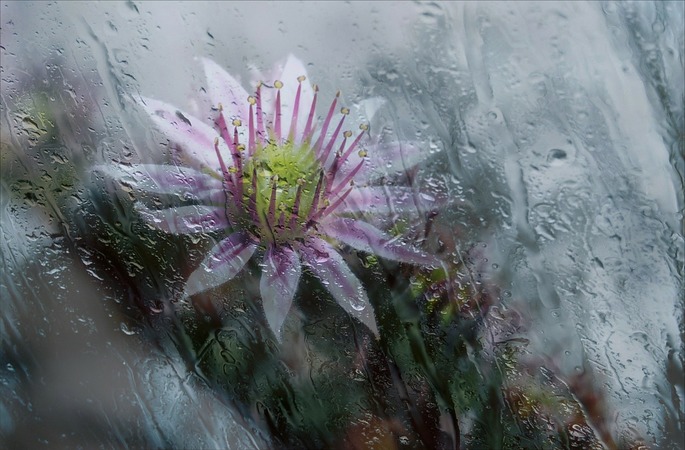
Come Again, Another Day
When it rains like this in the City
I think of you
Like being inside a waterfall
The thundering cascade
Can the glass in the windowpane stand it?
It is morning, and the sky is dark grey
Like steel and warships
I will find a place where I can hear
The water assail and assault the stone
And feel the way it stops and starts
The rhythm and the drum of it
Last night the skies cleared
Just enough for some love to gleam
Like a soft sense of tenderness
Through the hardheaded beliefs we build
It is a morning for saxophones
The sweetness of relief
The sugar laced taste of it
Beggars belief…
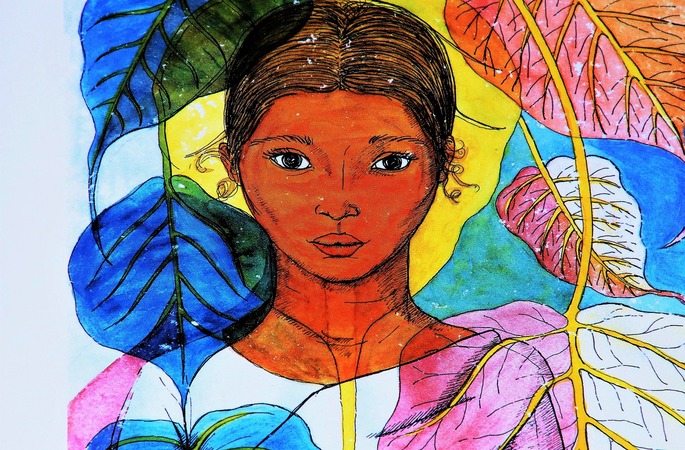
When it rains like this in the City
I think of you
Like being inside a waterfall
The thundering cascade
Can the glass in the windowpane stand it?
It is morning, and the sky is dark grey
Like steel and warships
I will find a place where I can hear
The water assail and assault the stone
And feel the way it stops and starts
The rhythm and the drum of it
Last night the skies cleared
Just enough for some love to gleam
Like a soft sense of tenderness
Through the hardheaded beliefs we build
It is a morning for saxophones
The sweetness of relief
The sugar laced taste of it
Beggars belief…
Little Golden Books
I used to feel it a lot when I was younger. The sense of bitumen laid smoothly over something so much wilder, and more complex. The awareness of what exists, past the boundaries of the nature strip.
It is a great country, you know. The imposition of imported demarcations. The controlled clearing, the pushing back of what was there before the projection and provision of what is convenient and effective has been successful, and efficient.
But it is strange, to be so cut off: to find oneself continuously moving across this pre-arrayed sequence of neatened surfaces. The strangest thing is how normal it mostly all feels, here, in the present day.
The settlers chose safety. They recreated what made them feel at home and laid it down, with ordinances and sub-clauses and admirably calm reliance on the Rule of Law.
And everything is pretty clean. And everything works.
But, at times, the neatness and convenience are repulsive. They shut us out. As if the buildings are inaccessible, and the constructions have no aperture.
But, at times, the neatness and convenience are repulsive. They shut us out. As if the buildings are inaccessible, and the constructions have no aperture.
In this country, the bins have liners. There are signs which prompt and alert us to the outlying hazards and dangers. We are protected, and certain sights are screened off, and kept from us.
I teach Higher School Certificate English, in Sydney, and one of the poems set for study this year is Robert Gray’s ‘Flames And Dangling Wire’. I think of its images today, as I look at the City through the filter of my mind’s eye. As he noted, it all appears from a distance like stencilled shapes in a smoky haze. The sandstone, and the glass and steel towers, and the domes, sometimes seem as if they are all about to evaporate.
The lightly muscled waters, sleek and tense and coiled, warily in wait. The layers of covering seem like a patina, and the modern discourses we engage in proliferate, like hastily scribbled annotations on an older, less legible manuscript.
Have you heard the invocations of the original custodians of the land, at each public gathering? Do we know what we are collectively treading on? Under the carpet and the stone and the poured concrete?
A few months ago, on a jewelled day in winter, I was at High Tea in Curzon Hall, where – years ago – my Anglican Girls’ School had its Year 12 Formal. This occasion, sumptuous, replete and complete, with sandwiches and choux pastries and bubbly, was probably named ‘The Heritage Afternoon Tea Package’.
The soaring ceilings, the crystal fountain. The heritage. Well brought up, older Anglo Australians, so beautifully put together, so elegant and composed and refined and enclosed. Celebrating 200 years of the life of Jane Austen, in The Regency Room.
An avuncular older gentleman at my table, making conversation. Proffering platters of gourmet sandwiches, salmon slices and avocado. The refinements and courtesies.
Every faux velvet chair with a cushion, each with its own cushion cover.
And he was wondering what I was doing there. Politely, of course.
Perhaps it is that generation. Modelling themselves on what they hold dear. One evening, at the Opera House, in the interval of a performance of ‘Rigoletto’, I think it was, my friend and I were sitting in the foyer with our charged glasses. And an elderly lady asked me, politely, where I was from. Did she mean, how long had I been in Australia?
‘I grew up here’, I replied, with a smile. She seemed surprised. That I could speak English? That my Korean friend and I were enjoying the opera? An Italian opera, with English subtitles? I got the sense that she felt that we were invading her space. That she found it offensive that we were so much at ease. Strange though that seems. A brown-skinned girl, and a golden boy, in faultless evening dress, observing the cultural codes, in a white building with its structures like sails, on a dark sea that predates all immigration.
So I conversed, with this older gentleman, my High Tea companion, in Curzon Hall, in the acceptable way, of how long I had studied and taught English Literature. He seemed genuinely interested, in what I had to say.
And somehow it came up that I was born on Australia Day. A celebration of settlement. Tall ships, and fireworks and drunken outpourings of bonhomie.
And he said, ‘They want to change the day of National Celebration, you know. Change the name of it. To Invasion Day’.
‘They?’, I courteously enquired, with all the colour and heat of fireworks inside me, on interior display.
What did he call them, amongst his own kind? Abos? Boongs? Coons? But to me, in The Regency Room, amidst the rituals of the 200-year Celebration High Tea, under the soaring ceilings, in the sandstone building wrought by Empire, of course, he uses proper names: Original Australians, Indigenous People.
He does not use the word ‘native’, with me looking at him, with my big, dark eyes. Good choice.
And stray sparks from the interior fireworks display lights up a little bit of the vast unexplored landscape, cut off inside.
And so I say, ‘Well, it’s pretty easy to understand where they are coming from on this issue, isn’t it? I mean, they were invaded, their culture destroyed, etc. etc. So many ways of erasing them have been tried. Why would they want to celebrate that? Seen in that way, to expect them to participate in celebrating that event, is to expect them to swallow a pretty unforgivable insult. Is it not?’
He smiled, a little uneasily. I think he wanted to say, ‘Come on, young lady, it’s not that bad. No need to take that tone’.
And so I say, ‘It’s a fact, isn’t it? Generally agreed on? Universally acknowledged? It’s happened a lot, all over the world. Thriving 21st-century economies, First World nations, built fair and square – on genocide? And everything was founded on that, right from the first contact.’
Rule of Law, built on fundamental beliefs and deeply venerated truths, of supremacy and hierarchy and assumptions, like his. Consensus.
And when he took his leave, at the end of the occasion, he thanked me and said I was a breath of fresh air.
He was not an unkind man. Just a person profoundly unaware of what lay beyond the pale.
Let Food Be Thy Medicine And Medicine Be Thy Food -Eating Right
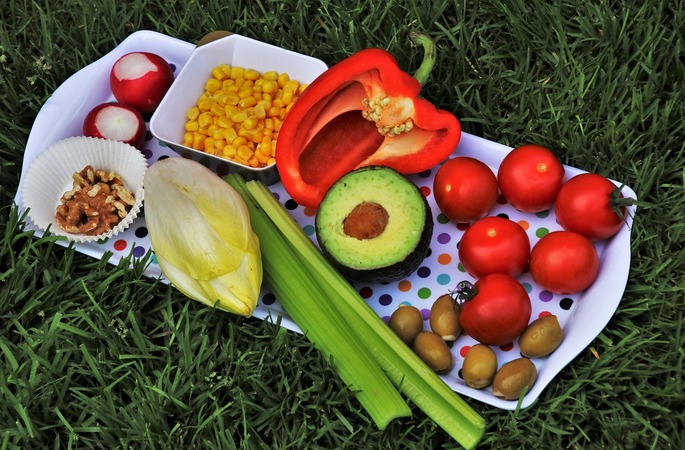
The focus on exercise is the most obvious aspect of fitness. But the energy to exercise comes from proper nutrition and a balanced attitude to food intake.
“The food you eat can be either the safest and most powerful form of medicine or the slowest form of poison.”
– Ann Wigmore
Kabeer Refai is a dynamic business executive who has an ‘access all areas’ perspective on life, believing we should all live our lives to the fullest extent we can at all times, even within the restrictions of time and social context.
He has learned from personal experience how much an individual can transform the quality of their life by conscious restructuring, education and awareness about food intake.
We at FemAsia asked Kabeer Refai, his advice on how to eat right.
How important is fitness and strength in a person’s life? How does keeping fit and robust benefit our lives?
Simply put, I’ve always believed in the saying of ‘Healthy Body, Healthy Mind’. Apart from the obvious physical benefits (reduced risk of disease, enhanced appeal, better reflexes, etc.), exercising regularly has a myriad of psychological benefits that are often overlooked, or not even understood. Going deeper into the subject, when you exercise, your body releases Endorphins, which interact with receptors in your brain which in turn immediately uplift your psychological state.
Women are often encouraged to focus on their appearance rather than their health, and the dieting culture which shames women for their size, and urges them to lose weight continually, is harmful in many ways. What do you think about it?
First off, I believe that everyone is perfect, but if anyone chooses to diet and achieve a particular body type then it’s their own choice, and I respect the dedication and the commitment that comes along with it. Yes, there are a lot of (bluntly put) bad, half-baked diet plans around. Ensure that you get your diet plan from a qualified dietician and not from any other source. The fact remains that the body cannot function without the adequate supply of all nutrients. Even The Paleo Diet advocates carbohydrates at least two times a week, contrary to popular belief that it advises complete carb cutting. I believe it is a matter of understanding your body type and devising a diet plan that moderates the right and wrong foods for you. I wouldn’t term them ‘bad’ foods, but depending on your body type (whether Ectomorph, Mesomorph or Endomorph) you may need to regulate the consumption.
What snacks would you recommend between meals and why?
Personally, I’ve found that the most effective snacks are fruit & vegetables. They are packed with nutrients, and give you an energy boost, especially when consumed in the second half of the day. But if you get a little creative, there is always a way not to compromise on your traditional snacks – baked potato chips versus deep fried, whole wheat flour for pies. It’s been proven that even dark chocolate has some health benefits as well – in moderate consumption of course.
Are there best times in the daily routine when it is best to have specific foods?
The traditional general rule of thumb as per many fitness experts is a hearty breakfast, a moderate lunch and a light dinner. Breakfast should ideally include a large protein intake with fruits; I don’t believe in the ‘No Carbs During Dinner’ convention. Honestly, I’ve personally seen people who consume carbs during dinner and still lose weight. I think, the whole “I can lose weight purely by dieting” is not realistic: to lose weight healthily, you need to combine a diet plan that works for you with an appropriate exercise regimen.
Can you tell us how important a fitness routine is in maintaining emotional and psychological well-being?
I already mentioned the effect of Endorphins on brain receptors when you exercise. Also, what exercise does from a psychological perspective is that it gives you a sense of achievement and confidence. This sense of confidence spills over into the other facets of your life. Further, when you devote yourself entirely to a goal, you build focus, discipline and commitment, qualities essential to anyone’s psychological well-being. In fact, there have been studies from a variety of universities and other reputable bodies which have demonstrated the positive effect exercise has on a person’s mentality.
People vary their monthly and yearly routines according to their age and capability and also the different seasons and climates in which they live. How do you keep your commitment to fitness and nutritional well-being matched up with variations in your schedule?
I might be a little harsh here! I believe that age is nothing but a number. Barely a week back, at the Arnold Sports Festival, a 70-year-old did a Vertical Flagpole (a feat which people of 20 years of age are unable to do). I’ve personally seen a 67-year-old former Mr Sri Lanka outlift everyone (including myself) at a gym in Borella. If you want a famous example, Idris Elba is making his kickboxing debut at 44 years of age. I honestly believe you can do any routine if you put your heart into it. It’s a fact that seasonal changes do have an effect, but then I always ask myself, how do the strongest men in the world come from Iceland? It’s a matter of adapting and improvising. As an example, during the cold season, with rain, it’s a fact that you cannot run outside, so choose the alternative and rope skip, indoors.
What are the most important facts you have learned in your awareness of the significance of health and fitness in your own life?
I’ve found that the physical benefits have helped build a stronger immune system with reduced risk of injuries; and from a psychological point of view, it helped me when faced with insurmountable odds. Whenever you feel downtrodden, exercising gives you a sense of self-worth and immediately elevates your esteem.
How can a person efficiently support her health while living in the often stressed and sedentary lifestyle of our contemporary era?
I don’t think you should vary your routine to suit your lifestyle; you should make time whatever your lifestyle is. I know one head of a large bank, and she usually flies a minimum of 12 times a month, but never misses a workout as she improvises and chooses what she eats carefully. It’s a matter of focus and commitment.
What benefits does good health bring to our attitudes and the way we relate to others?
As someone who has trained a few people over the years, it is my view that any form of exercise, be it weights, cardio, cross-fit, martial arts, etc., builds a sense of discipline in the people who practise it. There is a sense of respect in the way they approach others, a sense of reverence; I’ve seen this transfer directly into their personal lives. It enhances the way they interact with each other; it gives them an outlet to direct their otherwise harmful negative energies. I might even go as far as to call this the ‘Gym Zen’.
How can we support our family members and friends in living a healthier lifestyle?
By embodying the values, we believe in ourselves. I come from a family where all the men and women were involved in some form of exercise. I had every type of active person in my family, from traditional dancers to champion weightlifters to national level martial artists. And I see their children having the same level of commitment and devotion to anything that they do, from their education to their career. The point is, it’s contagious. If a transition in mindset is required, you may need to ease them in, because deep inside everyone wants to be fitter, feel more confident and live a healthier lifestyle. I am yet to hear anyone complain: “oh shoot I’ve lost a few inches off my waist!” I’ve found that educating your family members is a prerequisite for them to making them take up the commitment to their health.
The foods you choose to eat in your daily diet make a difference not only in your general health but also to how well you feel, and how much energy you have every day.

Not On My Account – Patrolling Your Digital Platform
I have only been on the Facebook digital platform for about two and a half years. Observing, commenting, joining online groups, subscribing to digital publications, and signing up for various events in the City to which I have recently moved, which are promoted on Facebook. I am entertained by the choice of tools that can be used to enhance a user’s profile and help us present ourselves in ways that we choose. And I am fascinated by the profiles people create for themselves.
People use FB for different reasons: some professional and some social, some to build a following, others to keep in touch with friends in another hemisphere. Instant Messenger means you can share events in your life – literally – in an instant. You can even call Uzbekistan in real time via Messenger and hear your friend speaking more clearly than via a landline. You can share photos, promote the causes you care about, review services and events you have experienced, speak out on world issues, and get acquainted with people from everywhere, free of the constraints we sometimes feel in real life: shyness, doubt, cultural barriers, the awkwardness of the ‘otherness’ of the other.
Facebook is a wonderful instrument of engagement and connectivity. I have seen many people using it with energy and positivity to build their platforms as writers, journalists, activists, entrepreneurs and creative artists.
I appreciate 100% the way people using FB would otherwise be marginalised or less encouraged in an industry or workplace or culture to express themselves and be heard. Women and girls in particular, in all countries where they have access to a computer, can be seen rising in influence and increasing the impact of their presence via the successful building of their work and personal presence on public social digital platforms.
As they do this, they challenge the existing users of the platform. FB is like any other geographical territory, and human beings are inherently territorial. FB discussions are infamous for their volatility, and the ‘instant’ nature of the technology encourages reactivity in its users. I have seen many discussions and comment threads in which articulate and impressive women are attacked, belittled and ridiculed by men – and other women – who seek to diminish and silence them.
People whose opinions others find persuasive are known as ‘influencers’, ‘opinion makers’ and ‘thought leaders’. And they can – and do – leverage this influential capacity, politically and socially.
The essential tribalism of human culture is perfectly conveyed in cross-section in many encounters and conversations conducted on the digital platform.
People assert, agree, contradict, sneer, praise, affirm, and express wonder or derision at the words uttered by others.
People get supported and rewarded (with likes and follows) for successful behaviour, and punished (by no likes or comments) for what is not endorsed by their peers.
This works to powerfully impact our conduct, through our human need for peer approval and popularity. We can find ourselves behaving in ways that build our approval rating – even if what is apparently popular is morally low or has a negative impact on our community, such as racism, sexism, or victimisation of others.
How do you build the digital platform you want to build, and demarcate and defend your professional and personal space in this volatile online world, while minimising the impact of trolls, hecklers and people who do not wish you well? Here are some ideas:
1. Keep your personal and professional accounts separate. Select from the start which aspects of your life you want to share on which platform. LinkedIn content should obviously be far more factual and formal than Instagram. We are advised not to ever share personal or family photographs or location settings publicly, to protect our safety and privacy. Also, people will form opinions of your lifestyle and socio-economic status by the photos you share of where you eat or which hotel you are staying in. Be selective about what you show. Do not attract petty envy unnecessarily.
2. When befriending people, or being asked to connect, initially put everyone you do not know on ‘Restricted’ settings, and observe what they say and how they conduct themselves: the way they deal with others over a period of time. Remove the initial restrictions over time. This is far less stressful than starting with utmost openness and then restricting as the result of disturbing behaviour.
3. Exercise your preferences. If you find that a person uses language you do not like, or makes statements that make you frequently uncomfortable, you can ‘see less of them’, you can unfollow them, you can remain ‘Friends’ but never interact. Of course, over time, this means that no real relationship is occurring, and by default, the connection becomes friendship in name only. People on FB periodically ‘cull’ their friends lists. If there has been no contact for a while, they can delete without warning. This is the same principle that they use for culling clothes they have not worn for too long!
4. Realize that people’s minds in a reactive and verbally aggressive medium are not likely to be changed via argument. Stop arguing! Ad hominem is not wonderful, but almost always upheld. Arguments become very subjective, and very personal, very fast on FB.
5. The block button is a beautiful thing. Do not feel the need to explain to the person that their behaviour is unacceptable or disturbing or annoying. Just block them! You can also ban them specifically by name from any page you have created. If you are an activist, or a person who expresses controversial views, I suggest you look up the profiles of anyone who comments on other people’s threads in ways that alert you that they might have ‘issues’ which might impact you. Pre-emptive blocking of those people clears your digital space.
6. Be aware that many people are opportunistic in the way they – almost on cue – feel the impulse to ‘speak out’ about hot-button issues of the day, doing so to play to their audience and create content on their platform to increase their own perceived relevance. Do not play along unless you want to help them build their brand!
7. If you disagree or want to call someone out for something they have said on their page in front of their friends or on the public platform, do it via Messenger. If anyone does the opposite to you and does not respect your right to express yourself in your or their space, delete their comment.
8. Be alert to the fact that some people tag their friends to join in packs to attack others and create a spectacle on FB. They like to become known as entertaining others with their articulacy in bullying, jeering and mocking. Harassment and abuse thrive on digital platforms, and many people witness it, and say nothing. This may be because they do not want to openly disagree with the author of the post, who may then turn on them, or because they do not want to further the reach of the post by commenting or responding to it. Sometimes people comment on abusive threads without realising the full context or nature of what they are adding their own name to. Be aware that people today using social media can be charged not only with authoring libellous or malicious content, but also for participating to further such content.
9. If any FB conversation you are participating in deteriorates into abuse, threats or harassment, take screenshots of what is said. Do not just share them on your page. If it is seriously vicious, print the comments out and take them to the police. The CID in many countries has a Cyber Crimes Unit which has the power to investigate abusive behaviour, and monitor and shut down the platforms of those who have a pattern of abusing others on FB. With evidence, you can have abusers charged with malicious harassment, and officially warned. Some of these people are likely to have psychological problems, and a compulsion to attack others. A warning of this kind can protect us all, by identifying what is actually unacceptable. Some people might be surprised to see the names which appear under the abusive comments. And this will disrupt the normalisation of this behaviour, and help identify those with a history of abusive conduct online. Share them on your page, if you want to expose the actions of the perpetrators, and show the public platform what abusive language, online harassment and cyber-bullying look and sound like.
10. Do not be shamed or silenced by those who are threatened by articulate women who are speaking out publicly. Some people are offended simply because such women exist! Do not allow your platform to be damaged or disfigured by those who wish to offend you or target you.
Be informed, be expressive, and claim your space!
Who Is The Fairest Of Us All-The Politics Of Colour Shaming
Remember the dark Queen in Snow White, Who used to stand in front of her mirror and ask this question? Dreading the answer, in case she was not deemed the ‘fairest’ which, in the fairy tale, meant the most beautiful?
People of colour face a challenge which many of us are reluctant to recognise: that white is seen as privileged and that not being white or fair is consequently seen as an inferior status.
And we see this projected onto us every day.
Many of the messages we absorb about our value and our worth come from the advertisements we see in magazines, on television, at the movies, and other media. The eye-opening part of this is that we in South Asia, who endorse these advertisements, are perpetuating racial stereotypes and imposing implied inferiority onto ourselves and our fellow citizens.
By buying into and creating this type of marketing, we accept an inferior status in the contemporary world, in which fairer-skinned people are seen as an ideal, and darker skinned are seen as comparatively lesser.
Dark and Difficult Days
Manisha Anjali, a poet and writer who has written extensively on the subject of skin bleaching, comments that: “South Asia is in desperate need of a skin-positivity revolution. White worship is an archaic colonial hangover.”
One of the advantages of living in the 21st Century is that we can evaluate the cultural myths that have been imposed on us: see how they started, see through them, and set them aside, if they are damaging and belittling to us.
The greatest cultural myth underlying colonialism is that of the inherent superiority of the coloniser. White superiority was expressed aggressively, through genocide, exploitation, humiliation and pervasive cruelty towards those of darker race, who inhabited lands rich in resources which were coveted by the colonisers.
The ‘Terra Nullius’ doctrine in Australia, for instance, declared the land on which dark-skinned indigenous people were living to be ‘uninhabited, and thus available to be settled and developed.
But the association of darker with something lesser, something less formed, more violent, goes back to far more primitive times. Think about the common expressions: Dark and Difficult Days, The Dark Lord from the Harry Potter series, On a Dark Night, There Came A Dark Man With A Dark Purpose from Aladdin, The Darkest Hour Is Just Before The Dawn, The Heart of Darkness and The Dark Ages.
Humans fear the darkness of the night, which could be filled with unseen horrors, and this fear is evident in the way we are threatened by the dark and have to contain it, control it, and protect ourselves against it.
Advertisements, Skin Colour and the Judgements
This impacts on what we hear, when a 7-year-old is asked what colour the bath water is after her bath. Does her skin colour wash off? So that if she is cleaned up, she will look acceptable? And why is what is acceptable, fairer?
This may seem relatively harmless at first hearing, as children are too young to know what they are talking about. But children grow up into adults and carry their unquestioned beliefs with them. And some of them become copywriters for advertising agencies.
A typical example of how beliefs of white superiority are perpetuated is the targeting of high-end, luxury buyers through images associating white-skinned people with unquestioned dominance and power.
Note how the dominant figure in most advertisements for luxury products is a white woman, centred and positioned with her gaze directed at the viewer, conveying strength and power. See how the darker hued women around her have their gazes averted from the viewer, or differentially directed at the woman in the central position.
The African, East Asian and South Asian women are visually portrayed as occupying less powerful space in such images, and as relegated to ‘minority’, and literally marginalised, status.
This experience of marginalisation is something that we notice when we emigrate to countries in the U.K., Europe, the United States, Canada, New Zealand, or Australia. In these countries, dark-skinned people are seen as a minority group, and our skin colour makes us visibly different from the Anglo-Celtic majority in these societies.
We should be aware that countries like North America, Canada, and Australia are all societies created on the genocide of their indigenous populations, who resemble us. And the immigrants who were accepted into these countries often formed an underclass, whose members are frequently physically similar in feature and skin colour to us.
People who judge books by their covers also judge immigrants by their colour.
As immigrants, if we are fortunate, we have people commenting on how luscious we look, with our big, dark eyes and lustrous dark hair. If we are unfortunate, we might be viewed by redneck racists as bush pigs, or pieces of exotica.
People show conflicted feelings towards our skin colour, and as human beings are responsive creatures, we absorb this conflicts.
What Colour Are We In Our Dreams
What we aspire to be seen with, and seen to have, tells us a lot about ourselves. What colour are our dreams? We fetishize and make icons out of what we wish to be, and have. The size and location of our house. The friends we associate with.
The clothes and accessories we acquire. The books we read, the events we attend. The food we conspicuously consume. What we look like. What colour are we, in our dreams?
There are two great ironies that are observable about this:
1. Many white-skinned people try, through sun tanning in salons and on the beach, applying sun lotions, and using sunbeds, to become brown. They risk skin cancer to achieve the colour we are naturally born with. In countries with wretched wintry climates, a tan signifies the ability to travel to Spain or the Mediterranean, or to own a summer home, and thus denotes further privilege!
2. We brown-skinned individuals, in contrast, are surrounded by images and advertising in our own countries which shame us for our darker hue. Skin whitening and bleaching products abound, and we are told that darker shades of skin tone have blemishes, and unsightly. Marriage advertisements specify fairer complexions as being the most preferred by potential husbands and wives, and their extended families and women and girls in particular from a young age are praised for their relative fairness or criticised for their relatively dark skin.
The condition of being fair is seen as the attainment of the state of perfection worth striving for, and by implication, darker skinned people are seen as wanting, missing things that they need, and desiring things that they have missed out on having.
Fair complexions have been associated with privilege and higher socio-economic status for centuries, probably since those fortunate individuals who did not have to work in the fields under a blazing sun to earn their living were able to protect their complexions from harsh extremes of climate and weather.
Thus, the radiant, fair, and soft skin has become a desirable asset to have and to display: an indication of one’s worth and value.
The images presented to us of physical flawlessness via global advertising show generically airbrushed people with smooth alabaster skin. Only recently have golden brown or dark chocolate or coffee coloured people been celebrated as beautiful.
The supermodel Iman objected strongly to someone saying that she was “like a white woman dipped in chocolate”, because the compliment implied that she was beautiful because her features were acceptable to the white normative model of beauty, as if her colour was like a topping on a dessert or an accessory to an outfit and not part of her inherent self.
In fact, the compliment implied that she was beautiful because of her inner whiteness shone through her dark skin – no wonder she was offended.
Biology of The Darker Shades
Dark skin merely means that the skin has a greater degree of Melanin. Along with this comes inbuilt skin protection from the sun, via a degree of subcutaneous oil which keeps us looking relatively young. While white skinned people develop freckles, creases, skin cancers and dry skin, and constantly try to nourish their skin with external emollients, dark-skinned people age comparatively more attractively.
With our darker skin comes some physical negatives, however. Acanthosis Nigricans causes thickening of the skin and dark patches to appear on the body and face. And when we are wounded, or recovering from surgery, our scars can be thicker and darker, due to Keloid reaction. Both of these are conditions which those of us with darker skin are more prone to experience.
History And The Spectrum Of Otherisation
We all know that colonisation took place in history. But that does not mean its impact is ended. It was based on racist assumptions of cultural superiority and inferiority, and in our contemporary world, these attitudes are inflamed by immigration, refugee migration, and huge cultural backlashes that we are witnessing against multiculturalism in countries like the U.S., the U.K., and Australia.
A recent poll showed that almost 50% of people living in Australia actively objected to immigration from countries in which people were seen as visually different from themselves.
In post-Brexit Britain, there are pro-nationalist policies being implemented which seek to designate and define British individuals, seeking to differentiate essentially British people from those who are merely living in Britain to improve their economic conditions by earning their living in British currency. How far will these categories extend, Who will be included, Who will be excluded?
Colour-coded targeting and profiling of people have historical connotations which are racist, and unsettling. The Nazis during the Holocaust forced their prisoners to wear colour-coded signs on their clothes: Yellow Stars for Jews, Pink Triangles For Homosexuals, etc. Being called a Chocolate Drop at school is not at the same level, but it is on the spectrum of otherisation. Our skin and its colour is a visual designator: an imprint that cannot be bleached or scrubbed off.
What should change is not the skin colour of people, but the social and cultural attitudes that shame people for inhabiting their bodies.
Narrowing Of Borders, Narrowing Minds?
There is currently a narrowing of borders, a narrowing of minds, and a diminishing of generosity which can be seen all over the world, in every country where there is an immigrant population. This is part of a backlash against policies of multiculturalism which in recent times are being blamed for many of the social and economic ills besetting Western countries.
The most obvious differences between people are physical: in our body shape and size, our facial features, our clothing and the colour of our skin. This is why being dark and large-sized is often seen as a double negative, in contemporary society, which along with its other superficial attitudes, constructs our physical attributes as assets or liabilities. Plus-size positivism is one way of responding to this. So is dark skin positivism.
Underlying racism often comes out into the open when privileged territory is disputed, by dark-skinned and talented people. Let us note the way the Obama family have been attacked since Barack Obama became the first black U.S. President, 6 years ago. Michelle Obama has been called a gorilla, and her elder daughter a monkey. Because they were boldly entering into and legitimately inhabiting the whitest of white spaces: The White House. And Harvard University.
The Impact of Imprinted Inferiority
The association of dark skin with lesser or culturally despised status is intensified because it derives its impact from a number of concurrent and co-existing factors, which operate simultaneously on those they impact upon. And this message is strongly imprinted on us from a very young age.
When we see young children in a video interview asked to say whether a white or black doll is good or bad and aligning themselves with the doll who is ugly, not pretty, bad, and not nice; and not to the white doll, whose white skin they associate with niceness and prettiness.
We can understand how we internalise ideas about our status from a young age, and how difficult it will be to challenge external racism and other inequities which makes us feel lesser, when we already carry those terrible feelings inside ourselves, with a self-concept damaged by the inequities of the society in which we live.
We are all aware that high-end designer labels in South Asia are routinely sold to us using fair-skinned models. These images of people who do not look like us, continually and subconsciously impact on us, excluding us from identifying with the luxury and glamour, the wealth and success these beautiful people, and the lifestyles they are associated with, create in our minds.
It is historical fact that those of darker skin have been objectified, vilified, enslaved, targeted, sexualised, colonised, exploited, harassed, incarcerated, abused and denigrated by dominant white culture ~ and those who perpetuate the dogma of white racial superiority for centuries.
Thus, being born dark-skinned in a racist world immediately places us in a problematic relationship to the natural need and wish for self-worth and self-fulfilment, that is inherent in all human beings. Dark skin colour is socio-culturally associated with a problematic life.
Conflicted Visions Of Beauty
Exoticisation and eroticisation are yet another form of targeting. Dark-skinned people are often presented as more sexualised and sexually available than other races. So perhaps we should think twice when we are called ‘hot’ because of our honey-hued skin and curvy bodies.
We could also be being designated as more alluring, and provocative and the attention we receive may quickly become disrespectful and unwanted. People project fantasies onto dark-skinned, exotic people all the time. As they do to exotic locations. Thus here Dark equals to Dirty.
These negative associations have powerful effects on us. However strong our self-esteem is, we are implicitly told that to be beautiful, we must not only exfoliate but also decontaminate ourselves from whatever causes us to be diseased with a dark hue. Beauty rituals at spas all over the country emphasise the whitening benefits their products offer.
Come into the salon stressed, distressed, discoloured, weighed down by the problems of the third world and leave uplifted, purified and lightened up. Your aura and your skin will be radiant and glowing! Your defects will be diminished! You will emerge several shades lighter, from the wrapping, peeling, bleaching, scraping and all the absolving effects these are guaranteed to have on us.
The products sold to us to remedy our dark skin are saturated with chemicals. Their physical impact on us becomes even more dangerous when we are effectively told we should be ashamed of ourselves, in advertisements which attempt to sell us skin whitening creams to lighten the colour of our private parts, because sexual shaming is deliberately brought into the wording of the advertisements as well, disguised as helpful advice, to make the buyer more appealing and desirable.
Look And Feel of Shaming
Human beings seem very good at shaming each other, particularly where our physicality and sexuality are concerned. They often treat it as a joking matter. But our private body parts are not inherently dirty or shameful.
Yet because they are clothed and covered most of the time, they are associated with aspects of ourselves that we feel are private and should be protected from public gaze, and so are not exposed to air and sun as much as the rest of our body.
In freer societies, less constricting or covering clothing leads to better circulation and less unevenness of skin tone.
Listen to the euphemisms used by advertisers, in the interests both of political correctness and expansion of a client base. Look at the implications of an image widely shared on social media, showing a range of slices of toast from white bread to brown and dark brown toast, which is supposedly an image which is skin positive and inclusive of diversity. Note that at the end of the spectrum is burnt toast, which is inedible and carcinogenic.
The private parts and sexual organs of most human beings are naturally darker than the rest of our bodies. Where white-skinned people have pinkish parts, we have brown or dark brown parts. This is surely nothing to be ashamed of! In fact, it is part of the diversity of the human race!
However, when you add the shame we are culturally taught to feel about our sexuality to shame about the ‘discolouration’ of our private parts, we get a powerful, product-selling message – which people buy, along with the products that these messages sell to them.
But really, this shaming needs to stop. We are not inserted into our skin: we are embodied within our skin. We must surely learn to accept and embrace our embodiment or be separated all our lives from our inner sense of dignity and self-respect.
Many of our beliefs about ourselves begin in the comments made about us from when we are young, by various well-intentioned or ill-intentioned family members.
Challenge As It Sprouts
It starts in the home. And it is perpetuated in the comments we make about each other, and the way we speak to each other, at work and at social functions. When we praise each other for looking pretty or so far as if they are concepts that are interchangeable.
When our elders tell us we look so fair that we could be European as if that was a compliment. When a high percentage of Sunday marriage advertisements rate fairness, literally, as a desirable quality.
It is not just personal. It is political. Martin Luther King’s famous ‘I Have A Dream’ speech can be summed up by one telling phrase: He wanted his children to grow up in a world where they would be “judged not by the colour of their skin, but by the content of their character”.
We need to start rethinking how we give and accept praise when it comes to our skin colour, and our physical appearance in general. We can consciously praise qualities of character rather than physical features. We can omit to offer each other ‘complimentary’ comments about each other’s complexions. We can choose a less superficial and less damaging way of relating to each other.
Many Asian and African countries achieved Independence 60 years ago. It is surely time we as people of colour, who wish to think of ourselves as citizens of the world, made ourselves free of internalised and self-imposed prejudice, as well. Unless we actually believe it ourselves, any racist assumption of our inferiority as dark-skinned people need only go skin deep.
A: I commenced public sessions from the beginning of 2016. After my father passed away as a result of poor health brought on through primarily neglecting his own wellbeing, I made it a point to offer my assistance to anyone who was interested in getting their health on track. I focused on people over the age of fifty at first. Due to my experience of caring for my father, I was able to understand their strengths and limits and coach them safely. After supporting a few such friends, they encouraged me to do public classes and told me that I had a gift. I was somehow able to make them work hard and achieve their goals. They felt confident in my ability and vision, and I came to believe that more people would benefit from my insight.
A: The fitness classes take place twice a week with additional exercises programmed into one’s daily household routines. Clients are encouraged to also do exercises at home to supplement their workouts and nutritional advice is freely offered.
Workouts are not designed to kill you, but to give you a moderate challenge that will ensure you have sufficient strength to carry out your day to day work and remain active at home. You don’t want to be too tired to do your chores or look after your kids. That’s important!
Progress is tracked every 2 weeks, corrective action is recommended and discussions are held with the client on how to take the next step.
The goal is to ensure that you stay fit for the rest of your life and enjoy life to the fullest with great health to accompany you.
A: Don’t get me started! Due to the lack of variation and requirement to stay seated during office or desk work, and limited mobility, you are training your body to stay put for almost the entire day. Most people try to work out every day for at least an hour.
Lack of mobility leads to muscles losing their functionality and some muscles becoming weak. The body in itself becomes weaker and lethargic. Further to this, the body becomes more susceptible to sickness as a result, and resilience towards injury and sickness is tremendously reduced.
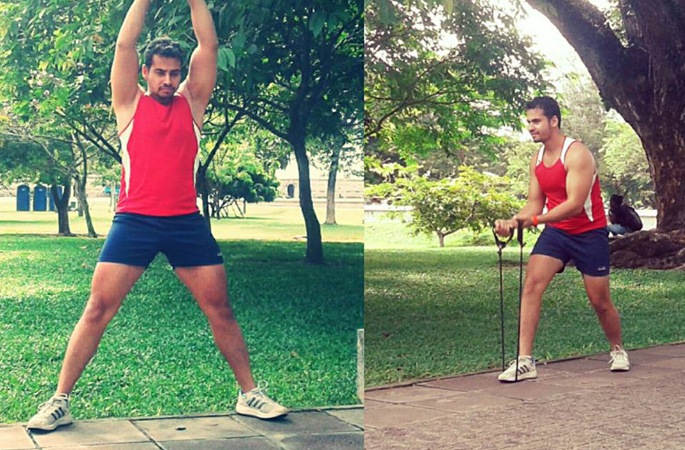
A: Worst case – high risk of diabetes and heart disease! Anyone who doesn’t regularly exercise is going to always feel weak and lethargic, leading to them always feeling tired. Surprisingly, this also results in such people not sleeping well and feeling restless – which is strange but it has to do with the toxins in the body playing up.
Most people think they have joint pains, but these are muscle ends hurting because of lack of mobility and flexibility. Low circulation of blood due to low activity also contributes to this.
I also mentioned earlier how one can be more susceptible to sickness if they workout very little. I for one very rarely get sick and even if I do, it doesn’t stay with me for long. This is primarily because I get a lot of exercise occupational hazard.
A: I would remind them that they are doing this first and foremost to stay healthy and enjoy their lives to the fullest. So: never have a short-term plan but plan for the rest of their lives to be doing this for life.
Enjoy A Life Long Health And Happiness – An Interview With Angelo Pereira
Angelo Pereira is a fitness guru who developed the concept of FIT for Life, with the simple intention of planning one’s fitness journey, not for just one’s physical prime, but to continue for life.
A person should aim to be fit for the whole of their life, and fitness should be incorporated into one’s lifestyle. People should be making lifestyle choices with their wellness in mind which in turn allows for them to reach their targets and maintain those targets.
Results are sustainable when fitness is a lifestyle rather than a one-off trip to the gym. Over the last 2 years, Angelo has garnered a strong following of clients who swear by him and have come to embrace his concept of FIT for Life. Many have experienced the health benefits and results of working under his guidance and he is only getting started.
Q: Why and when did you start offering mass training sessions in public spaces in Colombo?
A: I commenced public sessions from the beginning of 2016. After my father passed away as a result of poor health brought on through primarily neglecting his own wellbeing, I made it a point to offer my assistance to anyone who was interested in getting their health on track. I focused on people over the age of fifty at first. Due to my experience of caring for my father, I was able to understand their strengths and limits and coach them safely. After supporting a few such friends, they encouraged me to do public classes and told me that I had a gift. I was somehow able to make them work hard and achieve their goals. They felt confident in my ability and vision, and I came to believe that more people would benefit from my insight.
Q: How do these fitness training sessions work?
A: The fitness classes take place twice a week with additional exercises programmed into one’s daily household routines. Clients are encouraged to also do exercises at home to supplement their workouts and nutritional advice is freely offered.
Workouts are not designed to kill you, but to give you a moderate challenge that will ensure you have sufficient strength to carry out your day to day work and remain active at home. You don’t want to be too tired to do your chores or look after your kids. That’s important!
Progress is tracked every 2 weeks, corrective action is recommended and discussions are held with the client on how to take the next step.
The goal is to ensure that you stay fit for the rest of your life and enjoy life to the fullest with great health to accompany you.
Q: How harmful do you think our sedentary, desk-located jobs are to our health?
A: Don’t get me started! Due to the lack of variation and requirement to stay seated during office or desk work, and limited mobility, you are training your body to stay put for almost the entire day. Most people try to work out every day for at least an hour.
But compare that with sleeping 7 hours of the day; sitting on your commute to work and working 9 hours of the day and then sitting while having meals for the rest of the time. You’re defeating the effect of your workout.
Where is the time to be active? Where is the time to walk or run in a park? Do some sports? So most often we push ourselves for an hour in a gym every day at a gym and are too tired as a result to do anything at home.
Where is the time to be active? Where is the time to walk or run in a park? Do some sports? So most often we push ourselves for an hour in a gym every day at a gym and are too tired as a result to do anything at home.
So you get no benefit from your workout and gyms know this and it helps their margins, which is why I push for being active at home.
Plus having irregular activity in your day to day life is not healthy! It can strain your heart to be dormant for a long time and then suddenly play soccer on the weekend or have a gruelling an hour at the gym.
Lack of mobility leads to muscles losing their functionality and some muscles becoming weak. The body in itself becomes weaker and lethargic. Further to this, the body becomes more susceptible to sickness as a result, and resilience towards injury and sickness is tremendously reduced.
Q: What do you think of the Fast Food Culture?
A: Fast food for a fast-paced life! That is how fast food came about, people had to eat fast food to keep up with their work schedules. By the way, a lunch packet is also a form of fast food as the nutritional value is not that high!
In addition to that, the habit of eating irregular meals is fueled by the unhealthy work schedules – which is why diabetes is on the rise in Sri Lanka.
All of the above have contributed to diabetes and heart disease affecting people even in their twenties or late teens. I get calls from companies that have realized this and want to have mandatory workout schedules for staff to keep them healthy.
All of the above have contributed to diabetes and heart disease affecting people even in their twenties or late teens. I get calls from companies that have realized this and want to have mandatory workout schedules for staff to keep them healthy.
Q: What are some specific health issues that are directly helped or even permanently solved by increased regular exercise?
A: Cardiovascular health and exercise are positively correlated. Everyone knows that when you have high cholesterol and high risk of heart disease, the doctors ask you to exercise.
Diabetes and blood pressure related complications have been found to be easier to manage when the patient is regularly exercising. Further, it is considered unusual for someone who is regularly exercising to have such problems, although it happens, it is considered unusual because it is unusual. People who regularly exercise stay healthy.
Improved blood circulation heals muscle damage, hence most aches and pains go away. Doctors themselves prescribe exercises for damaged joints and spinal injuries in the recovery programmes. So exercise is the answer.
Other areas of stress, depression, anxiety, insomnia, acne, respiratory difficulty, sexual inactivity and even bad breath have been found to be fixed with regular exercise.
Improved blood circulation heals muscle damage, hence most aches and pains go away. Doctors themselves prescribe exercises for damaged joints and spinal injuries in the recovery programmes. So exercise is the answer.
Other areas of stress, depression, anxiety, insomnia, acne, respiratory difficulty, sexual inactivity and even bad breath have been found to be fixed with regular exercise.
Q: Which is more important, Movement or Nutrition?
A: Both go hand in hand. You can’t have one without the other.
You’ve got to eat to move. You’ve got to move to eat.
You’ve got to eat to move. You’ve got to move to eat.
Q: What problems do people develop when they do not make the effort to incorporate regular exercise into their lives?
A: Worst case – high risk of diabetes and heart disease! Anyone who doesn’t regularly exercise is going to always feel weak and lethargic, leading to them always feeling tired. Surprisingly, this also results in such people not sleeping well and feeling restless – which is strange but it has to do with the toxins in the body playing up.
Most people think they have joint pains, but these are muscle ends hurting because of lack of mobility and flexibility. Low circulation of blood due to low activity also contributes to this.
I also mentioned earlier how one can be more susceptible to sickness if they workout very little. I for one very rarely get sick and even if I do, it doesn’t stay with me for long. This is primarily because I get a lot of exercise occupational hazard.
Q: What stands in the way of women and particularly Asian women becoming more interested in their physical fitness?
A: This is changing fast and most Asian women are hitting the gyms, parks and streets working on getting fit.
But there are still constraints, and judging from my clients and would-be clients, it’s their family and work commitments.
There is just no time in the day to workout. The ones who don’t work are heavily involved in looking after their children and keeping up with their household responsibilities and running the home. The ones who work, well, they work and still look after their kids.
Q: We know every individual is unique, but typically how long does it take a person just starting a fitness programme to see and feel the benefits?
A: On the first day itself, clients tell me they feel great. They love the fact that they used their bodies in ways they hadn’t for years. They feel the blood flow to areas that were neglected and that gives them a rush and some see this as a result worth celebrating.
I would say, within a week, clients feel more active and fit. Within about 2 to 3 weeks, they begin to feel their clothes loosen.
Within a month they are addicted to feeling this good and that’s the best part. Then the client begins to push themselves and that’s what you want. Then their fitness plan is sustainable.
Q: What advice would you offer people just starting to get their act together with fitness training, What should they watch out for?
A: I would remind them that they are doing this first and foremost to stay healthy and enjoy their lives to the fullest. So: never have a short-term plan but plan for the rest of their lives to be doing this for life.
Never settle for anything, always have greater ambitions for your fitness level. Many people start out by saying, this is how far I want to go and then they never sustain it.
Q: What are the best sorts of fitness activities for women of different ages and life stages? Can effective fitness programmes be developed for pregnant women? Is there evidence that regular exercise can stabilise health issues experienced by women?
A: So let me break this down into parts
What are the best sorts of fitness activities for women of different ages and life stages?
What are the best sorts of fitness activities for women of different ages and life stages?
This goes for everyone, men, women and children of all ages and stages in life.It is functionality!
Do exercises that will ensure that you improve your functionality. What is the point of squatting 250 lbs and not being able to run 5 KM?
Or jump over hurdles? Or climb 6 flights of stairs for that matter?
I’m not saying training your body to lift is not good. But you will feel it later on in life if you haven’t trained your body to do basic functions at a younger age.
Q: Can effective fitness programmes be developed for pregnant women?
A: It depends on what you are trying to achieve. Let’s be realistic, a pregnant woman is not going to be able to run a race or play a soccer game; so that fitness level should not be the focus. Something to maintain her functionality and help her remain active during the day is the target and there are many programmes to achieve that.
But again it has to be considered with care. My advice, a pregnant woman should not be getting her exercise routine from a fitness instructor but a qualified Gynaecologist who knows her case which is unique and never generalized, and is qualified to offer direction that will guarantee the safety of the child and mother.
In the end, a pregnant woman should be focusing on the health and safety of her child first before her own fitness goals and only a qualified medical practitioner, a gynaecologist usually has the expertise to do so. Which is why I don’t train pregnant women, and I have turned down the opportunity to do so regardless of the client’s insistence.
Q: Is there evidence that regular exercise can stabilize health issues experienced by women?
Absolutely! Our bodies are made to move. When we do this, which is natural, many irregularities get fixed. There are exceptional circumstances and I am mindful of that when I comment, but in general, the answer is yes.
There are many documented cases of athletes overcoming injury; patients overcoming ailments and even physiotherapy in itself is a mild exercise which is medically prescribed.
“I have a vision for each of my clients and I want to see them get faster, stronger and look better every time I see them, while at the same time not push beyond their limits to ensure they never get injured. This is why I am yet to produce an unsatisfied client,” says Angelo Perera.
Good health is a lifelong gift, which greatly adds to the quality of our lives. We must treat our physical beings well, and invest in our health, with a sense of dedication and respect, to enjoy its benefits, rewards and dividends.
We at FemAsia wish all the very best to Angelo Pereira and his endeavours.


